Review · PORTUGAL
Casa Relvas, Évora – Visit to the Winery with Tasting of Portuguese Grape Varieties and Tapas
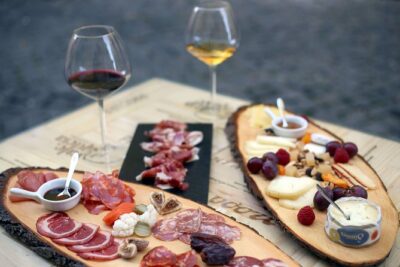
Casa Relvas gives you a close look at how wine is made, from grape reception and destemming to fermentation and barrel aging. The tour then shifts from machinery to the table, with five single-varietal wines, tapas, and Casa Relvas olive oils.
I like the clear link between the winery visit and the tasting, and I like that the tour explains practical choices such as stainless steel tanks versus oak barrels. Ana, also referred to as Anna, has led especially generous tours, including one private visit where she shared extra time and detail. The main drawback is the price: at $76 per person for 90 minutes, it makes the most sense if you care about production details as well as drinking wine.
Key points to know before you go
- Five single-varietal wines: Taste Casa Relvas wines made to show the character of individual Portuguese grape varieties.
- A real production visit: Follow the path from grape reception through destemming, pressing, and alcoholic fermentation.
- Barrel details included: Learn how oak origin, toasting, and barrel size affect the finished wine.
- Food comes with the tasting: Tapas and Casa Relvas olive oils make this more than a series of wine samples.
- Three language choices: A live guide can lead the visit in English, Spanish, or Portuguese.
- A compact 90-minute format: The schedule works well for a half-day stop near Évora, but it leaves little room for wandering.
Casa Relvas and the Alentejo wine setting
Casa Relvas grew from a family connection to the land. That background matters because the visit is framed around everyday winery work, not only polished tasting-room presentation. You get a sense of the property as a working place where grapes arrive, are processed, fermented, stored, and later presented in a glass.
The winery sits in Portugal’s Évora District, in the Alentejo region. The tour introduces you to the area’s terroir at the start, giving you a basic framework for understanding why the wines taste the way they do. Terroir can sound like a fancy word, but here it simply means the relationship between the local growing conditions, the land, the grapes, and the choices made in the cellar.
I would choose this visit if you want more than a scenic tasting. The appeal is not a long list of attractions. It is the chance to connect the bottle in front of you with the equipment and decisions that helped produce it.
More Tapas and Wine Tours in Portugal
- Porto: Wine Tasting with Tapas Walking Tour
★ 4.4 · 1,541 reviews - Lisbon Food Tour with 10+ Tastings of Local Delicacies & Wines
★ 5.0 · 1,339 reviews - Wine Tasting with Tapas Walking Tour in Porto
★ 4.5 · 544 reviews
Starting with the grape reception area
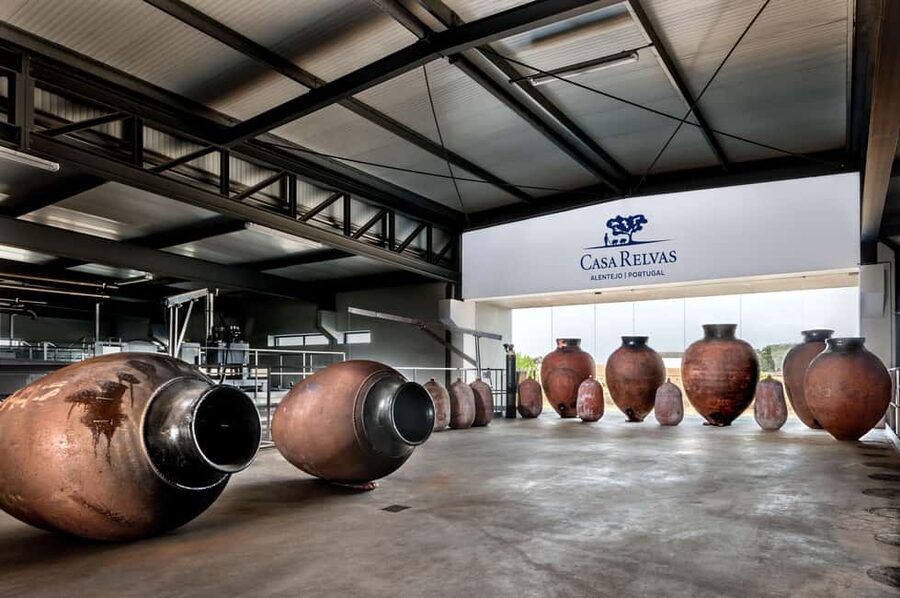
The visit begins with a welcome at the winery and a short introduction to the property and the Alentejo wine region. This opening should help you get your bearings before you move into the production spaces.
You then see where grapes are received. This is the first important step in the winery because the condition and handling of the grapes affect everything that follows. The explanations cover destemming and pressing, so you can understand how the fruit is prepared before fermentation begins.
The tour does not present winemaking as one simple recipe. It shows a series of choices. Grapes must be handled, juice must be separated and controlled, and the wine must be guided through fermentation. If you have visited only tasting rooms before, this part gives you the missing link between vineyard work and the wine list.
The practical nature of the explanation is a strong point. You are not just told that wine is produced here. You are shown the stages involved and given a reason to notice the equipment around you.
Stainless steel tanks, oak barrels, and fermentation choices
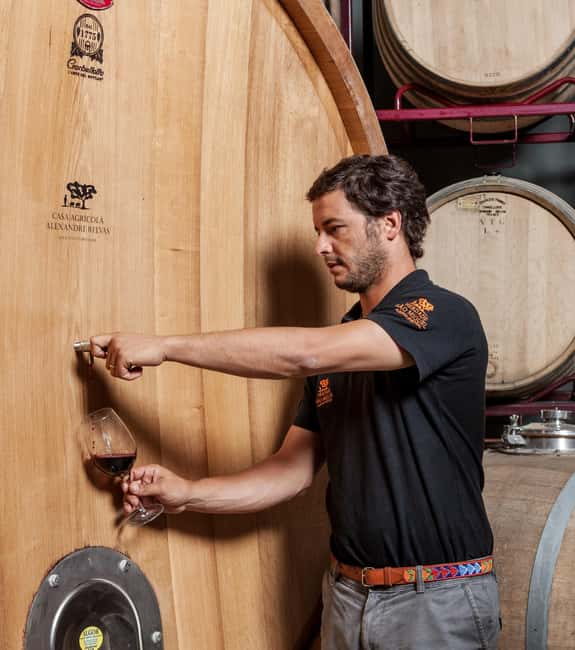
One of the most useful parts of the tour is the comparison between stainless steel tanks and oak barrels. These materials do different jobs, and the choice can affect the wine’s texture, aromas, and overall character.
Stainless steel is associated with controlled fermentation and a clean setting for managing the wine. Oak brings another set of effects, including contact between wine and wood and the influence of the barrel itself. The guide also explains temperature control during alcoholic fermentation, which helps you understand why cellar management matters.
This is the kind of information that can improve your next wine tasting. Instead of simply deciding that you like one wine more than another, you can start asking why. Was the wine made to preserve fresh fruit character? Did oak add spice or structure? Was the wine shaped by the grape itself, or by the time it spent aging?
You will not become a winemaker in 90 minutes, and the visit does not promise that. What you get is a useful working vocabulary and a clearer idea of what is happening behind the label.
Inside the aging cellar
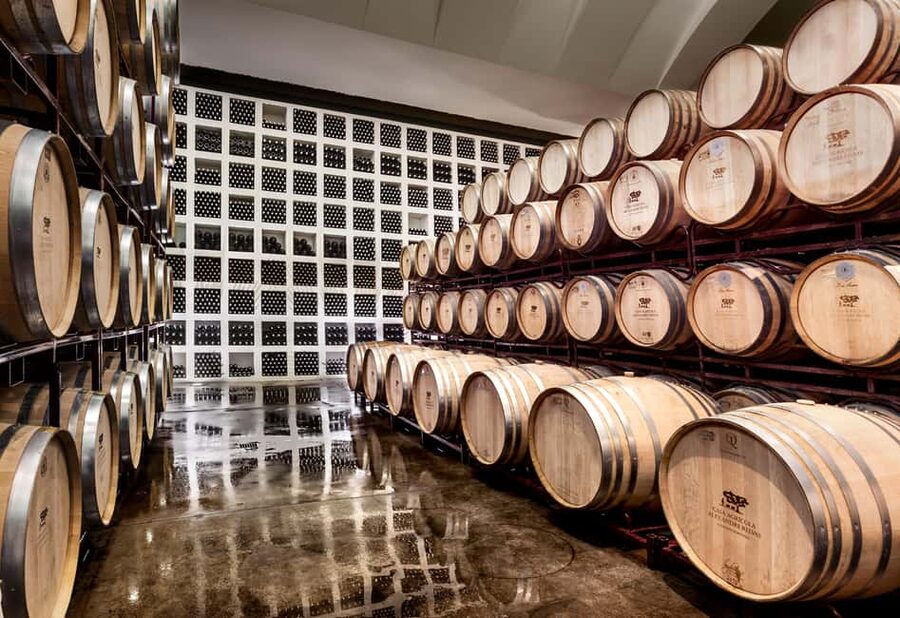
The aging cellar brings the conversation closer to the finished wine. Here, the focus turns to how the winery selects barrels and how those decisions influence what you eventually taste.
The guide explains three specific barrel factors: the origin of the oak, the level of toasting, and the barrel capacity. Each can change the wine’s sensory profile. Oak origin affects the type of wood character introduced. Toasting can contribute different roasted, spicy, or smoky notes. Capacity affects the proportion of wine in contact with the wood.
These details are valuable because oak is often discussed in vague terms. At Casa Relvas, you get a more concrete explanation of what the winemaking team is considering. You can then look for those effects in the tasting that follows.
The barrel room is also where the tour’s technical side becomes easiest to connect with your senses. You hear about the choices first, then have a chance to taste wine and consider how those choices may show up in the glass.
One consideration: the information may be more detailed than casual wine drinkers want. If you prefer a quick sip and a few scenic photographs, the production and barrel explanations may feel like a lot. If you enjoy learning how products are made, this is likely where the $76 price begins to feel more justified.
More Petiscos Tastings around Portugal:
- Lagos: Ponta Piedade Sail & Caves Cruise w/Portuguese Tapas
★ 4.8 · 360 reviews - Porto Wine Tasting Experience with Portuguese Tapas Plate
★ 4.7 · 356 reviews - Porto Wine Tasting Experience with Portuguese Tapas Plate
★ 5.0 · 265 reviews - Lisbon: Fado Vadio Tour with Portuguese Tapas
★ 4.7 · 151 reviews
Five single-varietal wines at the tasting table
The final stage is a tasting of five Casa Relvas wines, each presented as a single-varietal wine. This format is especially helpful if you want to compare grape varieties without too many other elements competing for attention.
A single-varietal wine gives you a clearer chance to notice the character of the grape used. The tasting can also help you connect the earlier cellar explanations with what you smell, taste, and feel in the glass.
The available information does not name the five grape varieties or give a fixed tasting order, so you should not arrive expecting a particular set of bottles. The selection may depend on what Casa Relvas is presenting at the time. Still, the single-varietal format gives the tasting a clear educational purpose.
I like this structure. The visit starts with production, moves to aging, and ends with comparison at the table. You are not tasting in isolation. You have just learned about grape handling, fermentation, temperature, and oak, so you have several useful things to notice.
The tasting is also a good place to ask questions. If Ana or Anna is guiding your visit, the available feedback suggests that she can give a generous and well-informed explanation, including extra attention when the group is very small. That can make a short tour feel more personal, though the amount of discussion will depend on the guide and the group on your date.
Tapas and Casa Relvas olive oils
The wines come with tapas and Casa Relvas olive oils. This is more than a decorative extra. Food changes how wine tastes, and a small selection of tapas gives you a better chance to see how the wines work with something savory.
The olive oils also widen the focus beyond wine. Casa Relvas presents itself as a property connected to the land, and the oil tasting supports that broader picture. You are sampling another local product rather than sitting down to wine alone.
Do not treat the tapas as a full meal unless the provider says otherwise. The information describes them as tapas served with the tasting, not as lunch or dinner. If you are planning your day around the visit, eat accordingly.
The combination should suit you if you enjoy slow tasting and small food pairings. It may be less satisfying if you want a large meal or a long afternoon at the table. The total experience lasts 90 minutes, so the food portion is part of a compact program rather than a drawn-out wine lunch.
What the 90-minute schedule feels like
Ninety minutes is a sensible length for a winery introduction. It gives enough time to cover the production line, aging cellar, and tasting without taking over your day in Évora.
The short format also creates a limit. You should expect a focused visit, not a full day among the vines. The tour description does not promise vineyard walking, a large meal, or an extended cellar session. Its strength is the direct route from winery operations to wine tasting.
I would leave room before or after the visit if you want to explore Évora as well. The experience is best treated as one part of a day in the district. Because starting times vary, check the available time when booking and build your other plans around it.
A 90-minute tour can be particularly useful if you are traveling with someone who likes wine more than you do. The production explanations give the visit substance, while the tasting and tapas keep it from feeling like a technical lecture.
Is $76 per person good value?
At $76 per person, this is not a bargain tasting. You are paying for a guided winery visit, production explanations, a barrel-cellar stop, five wines, tapas, and olive oils. The value depends on how much you want to understand the process.
For a simple glass-and-snack stop, the price is high. You can find cheaper ways to taste Portuguese wine. But if you want a structured introduction to Casa Relvas, with a guide explaining fermentation and barrel selection before you taste, the price is easier to defend.
The strongest value comes from the production access and explanations. Many tastings focus almost entirely on the glass. This one gives you context first. The value also improves if you can ask questions and receive the kind of personal attention Ana has provided on small visits.
The price is less appealing if you already know a great deal about winemaking and want a long, relaxed tasting with a broad selection. Five wines is a useful comparison, but it is not an enormous flight. You are paying for the full visit, not simply the number of pours.
Language, guide style, and practical planning
The tour is offered in English, Spanish, and Portuguese. Some content may be shown in its original language, so you should be comfortable with the guide’s main language and with occasional original material.
A live guide leads the visit. Ana, also written as Anna in the available booking details, is a name to watch for if you want a guide who can explain the wines and the facility in detail. The experience can be especially strong in a small or private setting, though you should not assume every departure will be private.
There is no stated transportation service in the details provided, so plan your route to the winery separately. The exact starting times depend on availability. The activity offers free cancellation up to 24 hours before the start and allows you to reserve now and pay later, which is useful when you are fitting it between Évora plans.
Who should book Casa Relvas?
I would recommend this for you if you enjoy Portuguese wine, want to see a working winery, or like understanding the reason behind what you taste. It also suits couples and small groups with mixed levels of wine experience because the tour combines practical explanations with food and drink.
It is a good pick for someone curious about Portuguese grape varieties but not ready for a full wine course. The single-varietal tasting gives you a manageable comparison, while the cellar visit supplies enough background to make the wines more meaningful.
I would think twice if you are looking for vineyard scenery, a long meal, or a broad tasting of many labels. Those are not the main features described here. The heart of the experience is the winery itself, the equipment, the barrel choices, and the guided tasting.
Should you book it?
Book Casa Relvas if you want a compact, educational wine visit near Évora and are willing to pay for more than a tasting flight. The combination of cellar access, fermentation details, barrel explanations, five single-varietal wines, tapas, and olive oils gives the 90 minutes a clear purpose.
Skip it if $76 feels too steep for a short activity or if you mainly want a large meal and scenic setting. For the right visitor, especially someone who can ask questions and values a personal guide such as Ana or Anna, Casa Relvas offers a thoughtful introduction to Alentejo wine without taking up an entire day.
FAQ
How long does the Casa Relvas winery visit last?
The experience lasts 90 minutes.
How many wines are included?
The tasting includes five single-varietal Casa Relvas wines.
What food is served with the wine?
The tasting includes tapas and Casa Relvas olive oils.
Which languages are available?
The live tour guide can lead the experience in English, Spanish, or Portuguese. Some content may appear in its original language.
How much does the experience cost?
The listed price is $76 per person.
Can I cancel for a full refund?
Yes. You can cancel up to 24 hours in advance for a full refund. You can also reserve now and pay later.
Just added to the tapas trail around Portugal
- Sunset Hike, Tapas & Wine at Secret Beach★ 5.0 · 28 reviews
- Private Sunset Hike, Tapas & Wine at Secret Beach★ 5.0 · 2 reviews
- Sintra Food & Wine Experience – Tapas, Tastings & Culture★ 4.5 · 17 reviews
- Fado nights with Algarvian tapas tasting★ 5.0 · 11 reviews
- Wine, Tapas and Winery Tour★ 5.0 · 2 reviews
- 3 table wines & 5 Port wines + Tapas★ 4.5 · 14 reviews
- Tapas And Tascas: Private Food Tasting Experience In Lisbon★ 3.5 · 7 reviews
- Sintra Cascais (Wine and Tapas) 4X4 Land Rover Panoramic Private Tour★ 5.0 · 36 reviews
Portuguese Tapas and Petiscos, plate against plate.
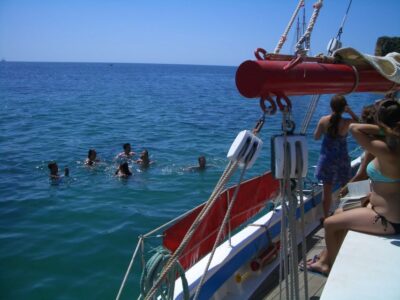
Lagos: Ponta Piedade Sail & Caves Cruise w/Portuguese Tapas
Read our review →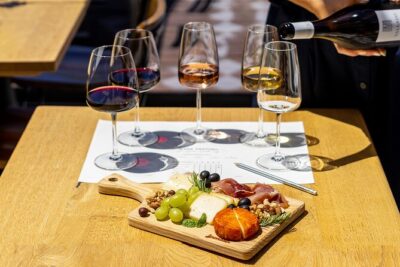
Porto Wine Tasting Experience with Portuguese Tapas Plate
Read our review →

A True Taste of Lisbon: Portuguese Tapas, Wine & Surprise Drink
Read our review →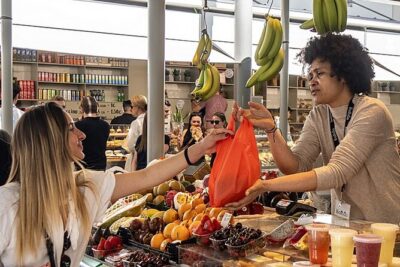
Chef Led Porto Market Tour and Portuguese Tapas Class with Wine
Read our review →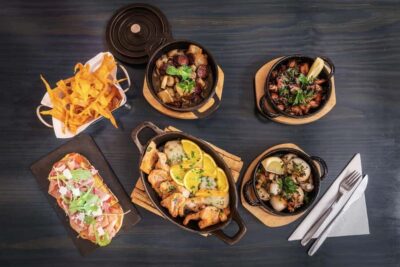

Food Tour: Portuguese wine & Tapas with Ginjinha Tasting
Read our review →