
Review · BARCELONA
Gothic Quarter Insights & Tapas Experience
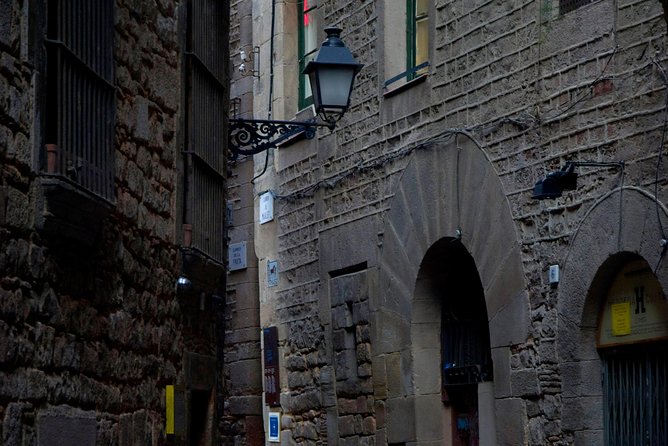
Barcelona’s Gothic Quarter is best understood on foot, one narrow lane and old stone square at a time. This 2.5-hour walking tour links Roman columns, medieval palaces, churches, guild streets, and small plazas that are easy to miss when you explore alone.
I like the clear route through the oldest part of the city and the simple finish with one pintxo and one drink. I also like the 3:30 pm start, which gives you a useful first look at the quarter without taking up your whole day. The main consideration is that this is a history and architecture walk, not a full tapas crawl, and the tour does not include paid monument admissions.
Key points to know before booking
- Roman Barcelona in plain view: See the Barcino letters in Plaça Nova and the surviving columns of the Temple of Augustus.
- A strong medieval route: The walk connects Plaça del Rei, Carrer de Montcada, Santa Maria del Mar, and several smaller squares.
- A social group size: The tour allows up to 20 people, with a professional guide and a shared stop for a drink and pintxo.
- Helpful first-day orientation: The route gives you a practical sense of the Gothic Quarter’s layout, making later exploring easier.
- Comfortable shoes matter: Expect about two and a half hours on foot through narrow streets and historic plazas.
- Afternoon timing: Meet at 3:30 pm at Lamaro Hotel Barcelona, Av. de la Catedral 7, with the walk ending back at the meeting point.
Why this Gothic Quarter walk works
The Gothic Quarter can feel confusing at first. Its streets twist around former Roman walls, medieval buildings, churches, and later additions. A good guide helps you connect those pieces instead of treating each stop as an isolated photo opportunity.
This walk does that well. It begins near Plaça Nova, then moves through the cathedral area, quiet lanes, old civic buildings, royal architecture, Roman remains, and the medieval street of Carrer de Montcada. The route gives you several different views of Barcelona’s past in one sitting.
I especially like the mix of famous and easy-to-miss places. You get the recognizable cathedral and Santa Maria del Mar, but you also pause at Casa de l’Ardiaca, Plaça Sant Felip Neri, and the four Roman columns on Carrer Paradís. Those smaller stops often make the quarter feel more real.
The guide is a major part of the experience. Past tours have been led by guides named Ariana, Leah, Núria, and Maria, and the strongest feedback focuses on their warmth, humor, and command of local stories. The advertised service is in English, with multilingual guiding available in English, Spanish, French, and Italian. The included details also list English, Spanish, and French, so check the language option when booking if you need a specific one.
More Old Town Tapas Walks in Barcelona
- Barcelona Gothic Quarter Tapas & Taverns Food & Wine Tour
★ 5.0 · 1,470 reviews - Barcelona: El Born and Gothic Quarter Wine & Tapas Bar Tour
★ 4.8 · 674 reviews - Barcelona Old Town Tapas Tour: Vermouth, Bites & Hidden Gems
★ 5.0 · 627 reviews
Starting with Barcino at Plaça Nova
The meeting point is Lamaro Hotel Barcelona at Av. de la Catedral 7. The walk begins at 3:30 pm, and the first stop is Plaça Nova, right beside the old Roman city wall.
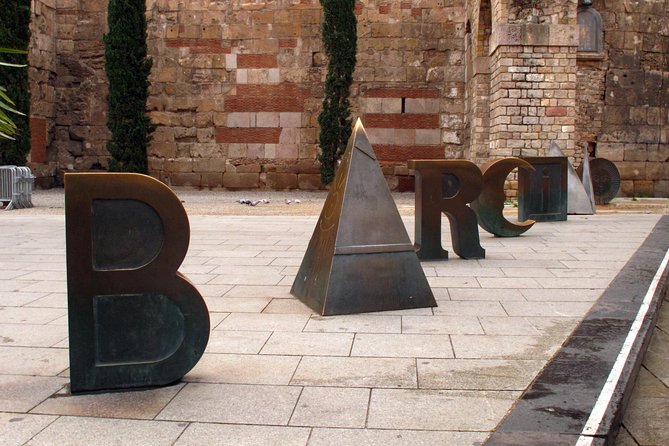
Look for the seven large letters spelling Barcino. They were created by Barcelona artist Joan Brossa and are made from bronze and aluminum. The letters sit directly on the ground near the Roman wall, creating an amusing modern contrast with the ancient setting.
This is a smart opening stop because it introduces Barcelona’s Roman name before the route moves into the medieval quarter. You begin with the idea that the Gothic Quarter is not only Gothic. Roman Barcelona lies underneath and around it.
The stop lasts about 10 minutes and has no admission fee. It is also a useful place to get your bearings, especially if this is your first afternoon in the city.
The cathedral quarter and Casa de l’Ardiaca
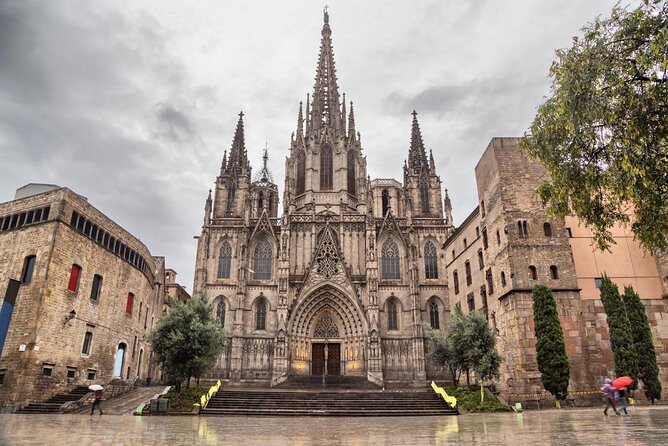
The walk continues toward Barcelona Cathedral and the Portal del Bisbe area. The cathedral stop is brief, about five minutes, so expect an exterior explanation rather than a full cathedral visit.
The setting matters. Plaça Nova was opened in front of one of the old Roman gateways, and the surrounding buildings show how Barcelona grew outward from its fortified core. You can see layers of the city in a very small area: Roman walls, medieval religious power, and later urban changes.
Next comes Casa de l’Ardiaca, the former home of the ecclesiastical hierarchy from the 12th century onward. The building changed over time, including a Renaissance courtyard and decorative work added in the early 16th century. Its original Gothic structure and later additions make it a useful lesson in how old buildings are altered rather than frozen in one period.
The stop is planned for about 10 minutes. I would pay attention to the courtyard and the upper balcony, which has a distinctly theatrical, Romeo-and-Juliet appearance. This is one of the places where a guide adds real value, since the building’s purpose and changes are not obvious from the street.
Plaça Sant Felip Neri and Placeta del Pi
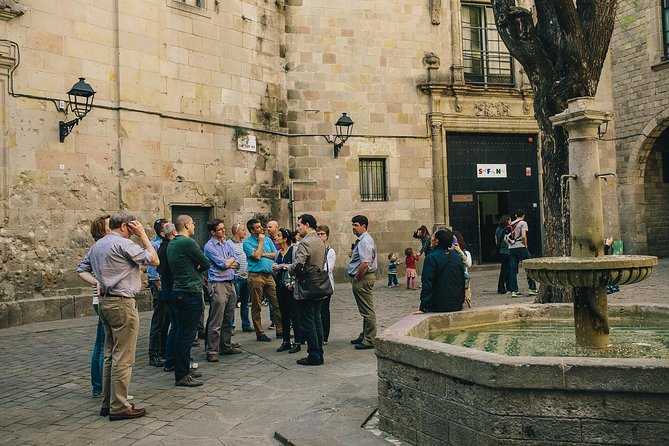
The route then slips into the narrow lanes and opens suddenly into Plaça Sant Felip Neri. It is a small square with a fountain, a Baroque church, and former guild buildings connected with shoemakers and coppersmiths.
This stop gives the tour a welcome change of scale. After the grand cathedral area, you get a quieter corner where the quarter’s old trades and neighborhood life come into focus. The square is compact, so the 10-minute pause should be enough to hear the explanation and take photographs without turning the visit into a long church stop.
From there, you continue to Placeta del Pi, around the Gothic Basilica of Santa Maria del Pi. The surrounding squares were once cemeteries attached to the 14th-century church. Today they provide open space for painters and artisans.
I like this part of the route because it shows how small public spaces can preserve the shape of medieval life. You are not simply looking at a church facade. You are seeing how churches, cemeteries, workshops, and gathering places once fit together.
The stops are free, but this tour should not be confused with an admission tour. The route is built around exterior views and explanations, and the listed price does not cover entry fees.
Same appetite, a different route:
- Montserrat Half-Day Tour with Tapas and Gourmet Wines
★ 5.0 · 7,359 reviews - Montserrat & Cogwheel Train, Gourmet Wine Tasting & Tapas/Lunch
★ 5.0 · 6,290 reviews - Barcelona Tapas and Wine Experience Small-Group Walking Tour
★ 5.0 · 5,804 reviews - Montserrat with Black Madonna & Medieval Winery with Tapas/Lunch
★ 5.0 · 5,209 reviews
Plaça del Rei and Barcelona’s royal past
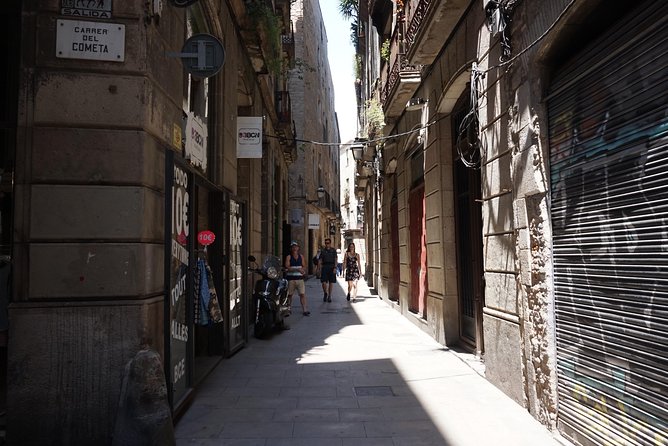
Plaça del Rei is one of the most impressive stops on the route. The square is enclosed by the Palau Reial Major and related medieval buildings, creating a calm architectural setting in the middle of the old city.
This is the point where Barcelona’s medieval political power becomes easiest to picture. The royal palace and surrounding buildings form a unified space, unlike the more irregular lanes elsewhere in the quarter.
Allow about 10 minutes here. A guide can help you read the square as a working center of power rather than just a handsome backdrop. If you are interested in architecture, this is likely one of the tour’s strongest pauses.
The route’s steady rhythm also works in your favor. Most stops last about 10 minutes, so you get repeated explanations without being held in one location for too long. The tradeoff is that the tour offers an overview rather than an extended visit inside any one building.
The Temple of Augustus, a Roman surprise
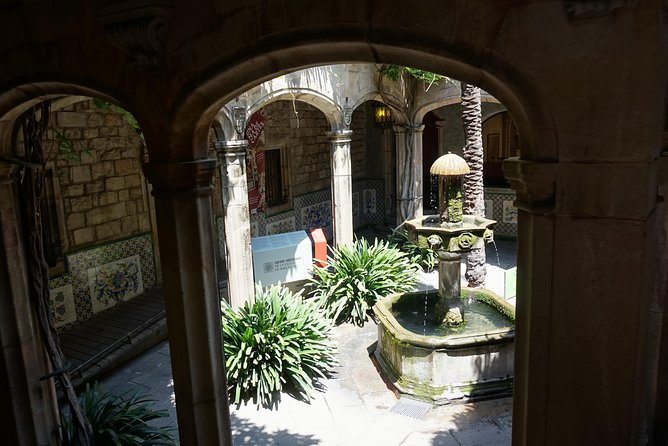
On Carrer Paradís, the tour reaches the MUHBA Temple d’August. Four columns from the Temple of Augustus survive inside a small medieval courtyard, more than 2,000 years after they were built.
This is one of the most rewarding moments of the walk. The columns are not presented in a huge archaeological park. They appear in a tucked-away urban setting, which makes the survival of Roman Barcelona feel especially striking.
The stop lasts about 10 minutes and does not require a listed admission ticket. I would keep an eye on the guide’s explanation here, because the setting can be easy to pass without realizing what is inside.
For history-minded visitors, this stop helps anchor the whole route. The Gothic Quarter is not simply a medieval district with Roman remnants added as decoration. The Roman city is the starting point beneath the later streets.
Santa Maria del Mar and Carrer de Montcada
The route continues to the Basilica of Santa Maria del Mar, often called the real cathedral of the Old Town because local people built it during the medieval period.
The basilica is a major example of Catalan Gothic architecture and gives you a second important church after the cathedral area. The contrast is useful. Barcelona’s old center contains more than one religious and civic focus, and Santa Maria del Mar is closely tied to the people and neighborhoods around it.
The stop is planned for about 10 minutes. The tour does not list an interior admission, so expect to learn about the basilica as part of the walking route rather than take a full architectural visit inside.
The final sightseeing stop is Carrer de Montcada, the city’s key area for medieval civic architecture. The street once belonged to the powerful Montcada family and runs from the Romanesque Marcus Chapel toward Plaça del Born. Its later division by Carrer Princesa in 1853 adds another layer to the story.
This is a strong finish to the historical portion of the tour because it shifts attention from royal and religious buildings to civic life and wealthy families. You can see how medieval Barcelona was shaped by trade, status, and urban growth.
The pintxo and drink finish
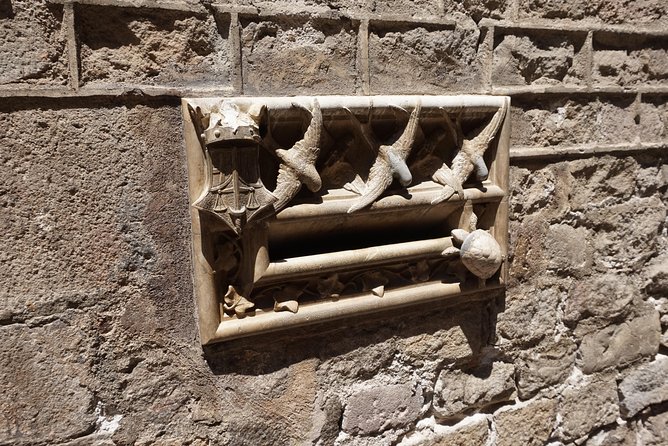
The included refreshment is one pintxo and one drink. That is a pleasant close after two hours of walking, but you should set your expectations correctly: this is a snack, not a full meal or a multi-stop food tour.
The distinction between a pintxo and a tapa may also come up during the final stop. Pintxos are commonly associated with a small bite served with a drink, often presented as a single portion. The experience gives you a taste of that food tradition while keeping the main focus on the neighborhood’s history.
The shared finish is especially useful for a group tour. You have time to compare impressions, meet the other people on the walk, and ask a few questions that may not fit naturally into the street-by-street commentary.
Several of the strongest guide comments praise this ending, especially the pairing of a beer or other drink with the snack. One guide even helped a participant contact an olive oil shop to choose a bottle to take home, a good example of the sort of practical local help a friendly guide may provide. That kind of assistance is not guaranteed, but it shows why guide quality matters here.
Price, group size, and practical value
At $54.06 per person, the tour is not the cheapest way to walk through the Gothic Quarter. You can visit the streets and many of the exterior sights for free. The value comes from the organization, the historical explanation, the guided route, and the included pintxo and drink.
The maximum group size is 20. That is large enough to create a social atmosphere, but smaller than a mass sightseeing group. The actual group can be much smaller, and past tours have included groups of four, seven, and eight people.
I would book this early in your Barcelona stay. One person called it an ideal quick introduction after arriving from a cruise, and that timing makes sense. The route helps you understand where you are, then you can return later to places that caught your attention.
The experience is booked an average of 101 days ahead, so advance planning is sensible during busy periods. You receive confirmation at booking, and free cancellation is available up to 24 hours before the start time. If the minimum number of participants is not met, the provider offers another date or experience, or a full refund.
Wear comfortable shoes. The walk takes place on foot through old streets and squares, and some of the ground may be uneven. Most people can participate, service animals are allowed, and the meeting point is near public transportation. Hotel pickup and drop-off are not included.
Finding the group should be straightforward, but the quarter can get crowded. One past participant had trouble spotting the guide during a street fair and eventually found the red umbrella. If that signal is used on your date, keep your eyes open near the meeting point and arrive a few minutes early.
Who should book this walk?
I would recommend it to first-time visitors who want a clear introduction to Barcelona’s oldest center. It also suits history fans, architecture fans, solo visitors looking for a social activity, and families with older children or teenagers who can manage the walking pace.
The route is broad rather than specialized. You get Roman, medieval, religious, civic, and food-related context, but you will not spend a long time inside museums or churches. If you want detailed art history at one major monument, choose a more focused tour.
You should also book it if you like stories, legends, and small visual details. The best guides have brought the quarter to life with local anecdotes, humor, and explanations of how people once used these spaces. One piece of feedback found the walk too focused on building history and not story and legend enough, so your enjoyment will depend partly on what kind of guiding you prefer.
Should you book the Gothic Quarter Insights and Tapas Experience?
Book it if you want a well-paced orientation to Barcelona’s oldest district, especially early in your stay. The route covers a lot without rushing, the guide can add context that signs cannot, and the pintxo and drink provide a friendly finish.
Skip it if your main goal is a substantial food experience or interior access to major monuments. For about $54, you are paying mainly for the guide and the structure of the walk, not for a long list of included attractions.
For most first visits, I think the balance works. You see the Roman Temple of Augustus, Plaça del Rei, Santa Maria del Mar, and several quieter corners in one afternoon. Add comfortable shoes, arrive early, and treat the food stop as a small taste rather than dinner.
FAQ
How long does the Gothic Quarter Insights and Tapas Experience last?
The tour lasts approximately 2 hours and 30 minutes.
What time does the tour start?
The tour starts at 3:30 pm.
Where does the tour meet?
Meet at Lamaro Hotel Barcelona, Av. de la Catedral 7, Ciutat Vella, Barcelona.
Where does the tour end?
The activity ends back at the meeting point.
What food and drink are included?
The tour includes one pintxo and one drink.
Is hotel pickup included?
No. Hotel pickup and drop-off are not included.
What languages are available?
The experience is offered in English. Multilingual guiding is listed in English, Spanish, French, and Italian, while the included details specify English, Spanish, and French.
How large is the group?
The maximum group size is 20 people.
Can I cancel for a full refund?
Yes. You can cancel at least 24 hours before the start time for a full refund. Changes or cancellations made less than 24 hours before the start time are not accepted for a refund.
Just added to the tapas trail around Barcelona
- Barcelona: Guided Rooftop Wine Tasting – Enjoy 6 Spanish Wines★ 4.5 · 61 reviews
- Barcelona: Bike or eBike Tour, Top Sights & Local Insights★ 5.0 · 47 reviews
- Barcelona Sailing Experience: Spanish Tapas and Premium Open Bar★ 4.5 · 34 reviews
- Wine & Cava Penedes Tour: Wineries, Wine Tasting and Tapas★ 5.0 · 5 reviews
- Barcelona’s Most Terrific of Tapas Tours in the Gothic quarter★ 5.0 · 2 reviews
- Barcelona Morning Tapas Crawl by Food Tour★ 5.0 · 45 reviews
- Tapas Bike Tour Barcelona★ 5.0 · 8 reviews
- Barcelona Tapas & Wine Private Tour in Traditional Taverns★ 4.5 · 60 reviews
Old Town Tapas Walks, plate against plate.

Valencia Old Town Tour with Wine & Tapas in 11th Century Historic Monument
Read our review →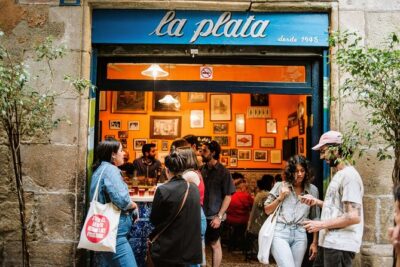
Barcelona Gothic Quarter Tapas & Taverns Food & Wine Tour
Read our review →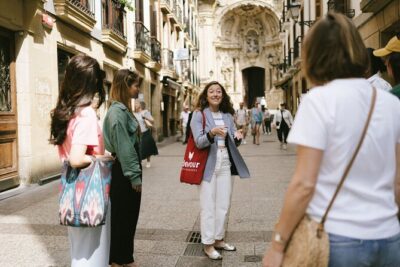
San Sebastian Old Town Pintxos & Wine Tour Small Group Tour
Read our review →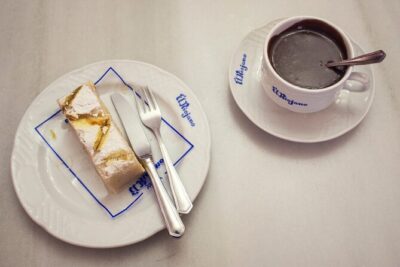
Madrid Historic Centre Food Tour with Authentic Tapas & Wines
Read our review →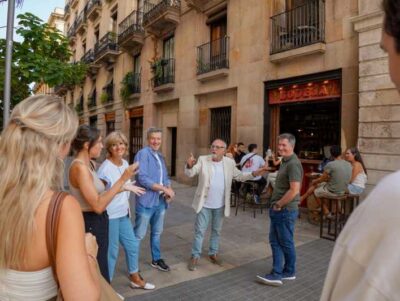
Barcelona: El Born and Gothic Quarter Wine & Tapas Bar Tour
Read our review →
Barcelona Old Town Tapas Tour: Vermouth, Bites & Hidden Gems
Read our review →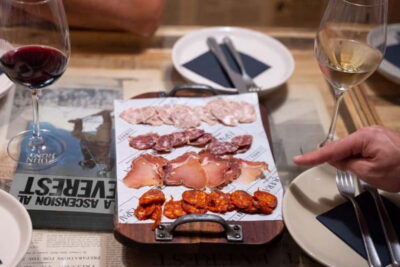
Barcelona Old Town Tapas Night: Hidden Bars, Cava & Vermut
Read our review →
Private Tour: Tapas, Wine & Flamenco Show in Barcelona’s Old Town
Read our review →Lists this one belongs to