Review · MÁLAGA
Andalusian Wine Tasting in Cala de Mijas – 4 Top Wines + Tapas
The best part of this tasting is its four-stop tour of Andalusia in a glass. You move from a wine aged under biological aging to a fragrant Ronda white, a tiny-production organic red from Mijas, and a traditional Málaga sweet wine that may change your mind about dessert wines.
I like the simple comparison format, since you rate aroma, flavor, and texture as you go. I also like the local focus: the red comes from a boutique garage winery, and the tasting includes Andalusian cheeses, breadsticks, chips, and water. The main drawback is the short one-hour format, which leaves little time for a slow, lengthy lesson.
Key points to know before booking
- Four wines from Andalusia: Taste examples from Málaga, Ronda, Mijas, and the region’s traditional biological-aging tradition.
- A useful tasting method: Compare each wine by aroma, flavor, and texture instead of simply drinking and guessing.
- Guide Violeta may lead the session: Her friendly, relaxed approach received particular praise in the available feedback.
- Tapas are included: Expect Andalusian cheeses, breadsticks, chips, and bottled water alongside the wine.
- Easy one-hour schedule: The tasting begins at 1:00 pm and ends at the same wine bar in Cala de Mijas.
- Small enough to feel social: The group limit is 25 people, though the exact group size can vary.
Four Andalusian wines, one compact tasting
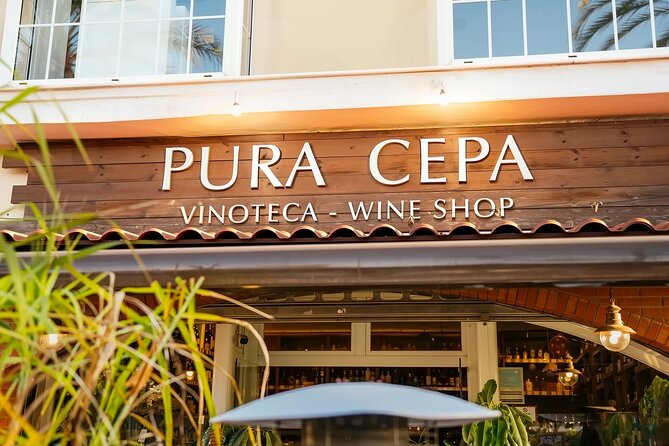
This is not a winery visit with a bus ride through the countryside. It is a focused tasting in a cozy wine bar, Pura Cepa Mijas, in Cala de Mijas. That makes it a good fit if you want regional wine context without giving up half a day to transport.
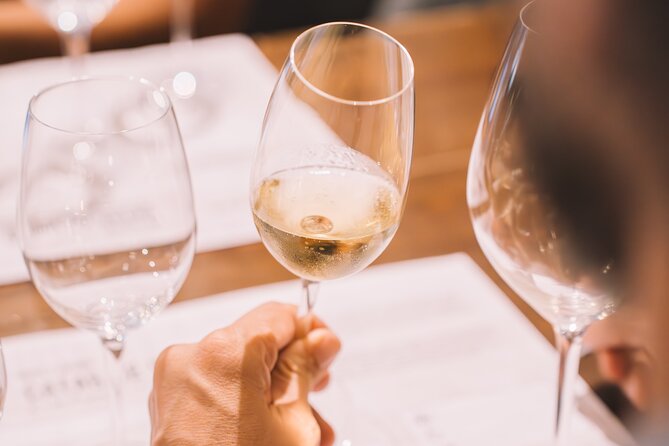
The session is built around contrast. Each wine gives you a different way to think about Andalusia and its winemaking. You are not simply handed four glasses and left to decide which one you like best. You compare how each wine smells, tastes, and feels in your mouth, then rate it as part of the lesson.
That structure matters. Many casual wine tastings become a parade of labels, with little explanation between pours. Here, the rating system gives you a reason to pause. You can ask yourself if the wine is light or full, dry or sweet, fresh or rounded, soft or firm. You do not need to know wine terms in advance.
The format also helps couples and friends with different tastes. One person may prefer the white, another the red, and someone else may be surprised by the sweet Málaga wine. The point is not to find one correct answer. It is to understand why the wines feel different.
More Tapas and Wine Tours in Malaga
- Malaga Wine & Tapas Small Group Guided Tour
★ 5.0 · 1,972 reviews - Málaga: Wine & Tapas Tour
★ 4.8 · 1,039 reviews - Malaga Organic Vineyard and Winery Six Wines Tapas and Transfer
★ 5.0 · 356 reviews
First glass: biological aging and Andalusian tradition
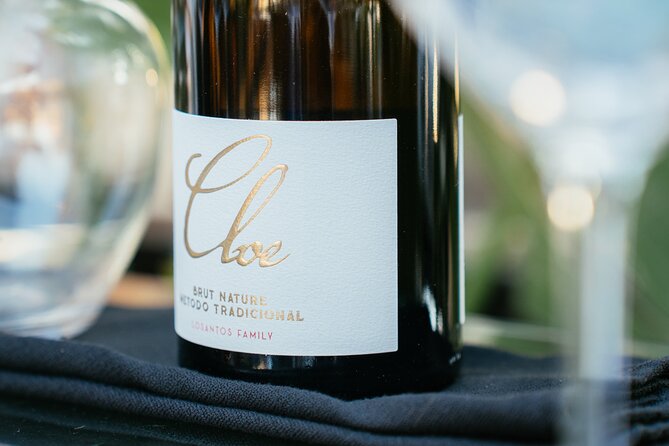
The opening wine is aged under biological aging. This refers to wine maturing beneath a layer of yeast, a method strongly associated with Andalusian wine culture. You do not need to arrive knowing the technical details. The guide introduces the idea as part of the tasting, then gives you a chance to notice what makes this style different.
This is a smart first pour because it sets up the rest of the session. Instead of beginning with a familiar, easy-drinking wine, you start with a method that may be new to you. Its aromas and texture give you a reference point for the wines that follow.
The available tasting details place this wine in the same broad Andalusian tradition as sherry. That regional connection is one reason this experience offers more than a standard restaurant wine flight. You are learning about a local style that can be hard to understand from a menu description alone.
Pay attention to the texture as much as the smell. The tasting asks you to look at more than fruit notes. A wine aged this way can show a distinct character, and comparing it with the later white and red helps you understand how aging changes a wine.
Second glass: a fragrant white from Ronda
The second wine is a white from the Ronda area. It is described as highly aromatic, so this is the point where you can focus on the nose before taking a sip. Swirl the glass if you like, then note what you smell first and what remains after tasting.
Ronda is inland from Málaga and known for its high-elevation wine country. The tasting does not include transport to Ronda, so you will not see the vineyards themselves. Still, a bottle from the area gives you a useful taste of a different part of Andalusia.
This white provides a clear contrast with the first wine. After the biological-aging wine, you can compare freshness, aroma, body, and finish. You may find that one wine is more interesting to smell while another feels easier to drink. That distinction is exactly what the guided scoring is designed to bring out.
If you usually order white wine without much thought, this is a chance to slow down. Take a small sip, let the flavor settle, and compare your first impression with the finish. The tasting is short, but this kind of simple attention can make future wine choices easier.
Third glass: a limited organic red from Mijas
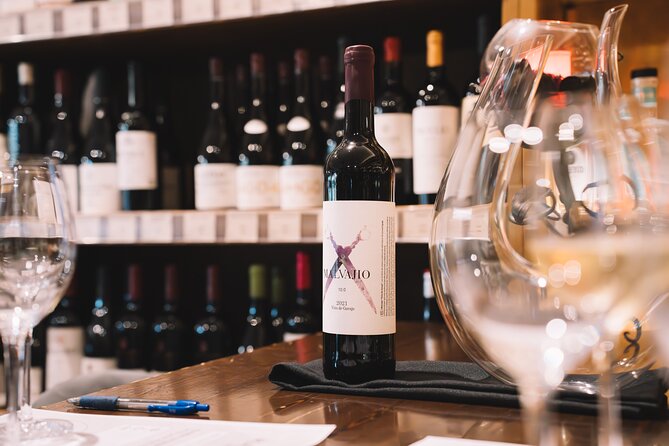
The third wine is a red from a fully organic vineyard in Mijas. It comes from a small garage winery with very limited production, which gives this pour a local and personal angle. You are not tasting a mass-market bottle selected for broad appeal. You are tasting a small-production wine tied to the area where you are sitting.
That does not mean you will automatically prefer it. Small production is interesting, but it is not a guarantee that every palate will love the wine. The value is in hearing the story of a boutique producer and comparing an organic Mijas red with the first two wines.
Use this glass to focus on texture. Notice how the red feels compared with the white. You can also think about balance: does the fruit lead, or does the wine feel more structured? The guide will help place those impressions into simple tasting language.
For visitors staying in or near Mijas, this is likely the most geographically relevant wine of the four. You are drinking a bottle made in the same general area rather than sampling only famous names from farther away. That local link adds meaning to a short tasting.
More Tapas and Wine Tours in Spain
- Malaga: Wine and Tapas Tour with Tastings and Drinks
★ 4.8 · 217 reviews - Málaga: Traditional Andalusian Tapas and Wine Tour
★ 4.7 · 167 reviews - Malaga Private Gastronomic Tour: Tapas, Wine & Rooftops
★ 5.0 · 105 reviews - Malaga Tapas and Wine Tour
★ 4.5 · 102 reviews
Fourth glass: Málaga sweet wine with a fresh look
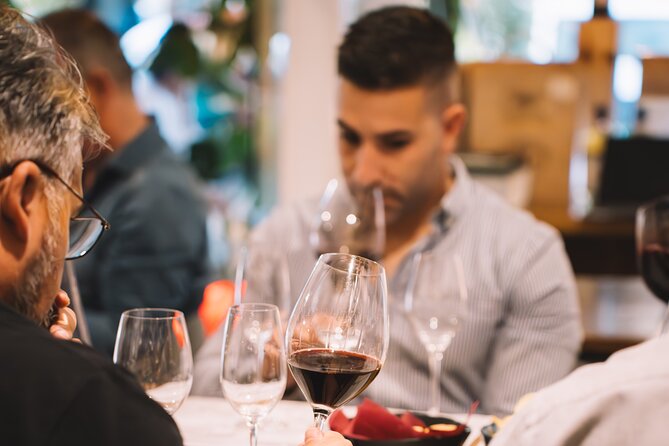
The final wine is a traditional sweet wine from Málaga. The tasting aims to show the full range of flavors that a well-made sweet wine can offer, rather than treating sweetness as its only feature. The available details identify Muscatel among the styles included, giving the final pour a clear Málaga connection.
This is an effective ending because sweet wine often divides people. Some drinkers avoid it, expecting a heavy or overly sugary finish. A carefully presented sweet wine can show fruit, fragrance, texture, and balance alongside sweetness.
Compare it with the other wines rather than judging it by the same standard as the red or white. A sweet wine serves a different purpose. Look at its aroma first, then notice how long the flavor remains and how the texture changes the drinking experience.
I especially like that the final glass challenges a common assumption. You may still prefer dry wines, and that is fine. But you will have a clearer reason for your preference after tasting a traditional Málaga style in a guided setting.
Tapas that keep the tasting grounded
The food pairing is modest but useful. You receive Andalusian cheeses, breadsticks, chips, and bottled water. This is not a full meal, so arrive knowing the snacks are there to support the tasting rather than replace lunch.
Cheese is the key item here. It gives you a way to see how food changes the wine’s flavor and texture. A sip that seems sharp on its own may feel rounder with cheese. A sweet wine can also take on a different character beside salty snacks.
The breadsticks and chips keep the setting relaxed. They give you something simple to nibble between glasses and help prevent the tasting from feeling too formal. Bottled water is included, which is important during any four-wine session, especially in the middle of the day.
The generous servings noted in the available feedback are worth mentioning, but portion size can vary. You should still treat this as a tasting rather than a replacement for a proper meal.
A friendly lesson at Pura Cepa Mijas
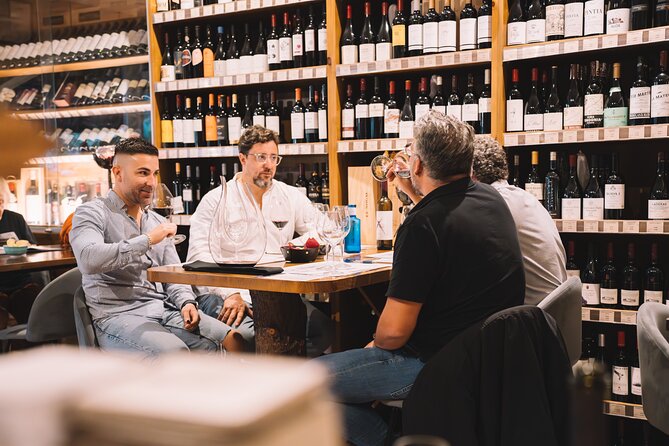
The meeting point is Pura Cepa Mijas, at Blvd. de la Cala, 49, in La Cala de Mijas. The venue is described as cozy, with friendly staff, so expect an indoor wine-bar setting rather than a vineyard tour or outdoor excursion.
Guide Violeta is specifically praised for making the session relaxed, informative, and enjoyable. A good guide matters here because the experience depends on explanation. Without clear guidance, four wines and a few snacks would be pleasant but not especially memorable.
You can expect the conversation to cover how to compare aromas, flavors, and textures. The goal is not to turn you into a sommelier in one hour. It is to give you a practical set of habits you can use the next time you order wine.
The tasting has received two available five-star ratings, though that is still a small sample. The most consistent praise centers on the relaxed atmosphere, friendly guidance, generous pours, Andalusian variety, and the inclusion of tapas. Those are the parts I would weigh most heavily when deciding if the experience fits you.
What the one-hour timing means
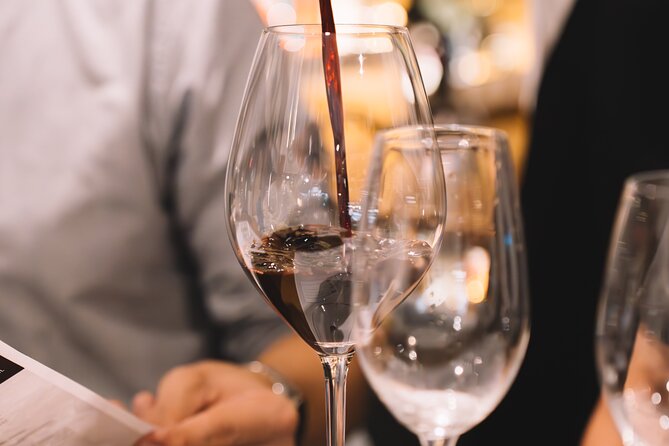
The activity starts at 1:00 pm and lasts about one hour. That timing makes it easy to add before lunch, after a morning outing, or as a short break during a day in Cala de Mijas.
A one-hour tasting is also a firm limit. You will taste all four wines, receive an explanation, compare them, and eat a few snacks, but you should not expect a long technical lecture or a leisurely winery visit. If you want extensive vineyard detail, production methods, and a broad selection of bottles, you will need a longer experience.
For most people, the short format is a benefit. It keeps the session focused and avoids turning a pleasant wine lesson into an all-afternoon commitment. It also works well for a first tasting, especially if you are unsure how much wine education you want.
The activity ends back at the meeting point. Transport to Pura Cepa Mijas is not included, so you need to arrange your own way there. The location is near public transportation, but the supplied details do not specify routes or travel times, so check your connection before booking.
Is $48.85 a fair price?
At $48.85 per person, the price covers four wines, a guide, snacks, bottled water, and a one-hour session. It does not cover transport. The value depends on what you want from a wine experience.
If you compare it with simply ordering four glasses at a bar, the guided format adds the main benefit. You are paying for regional selection, explanation, comparison, and a planned progression from biological aging to white, red, and sweet wine. The cheeses and snacks make the cost easier to justify.
The price is less attractive if your only goal is to drink a glass of wine. You could spend less at a casual bar, but you would not receive the same structured lesson or the same chance to compare four Andalusian styles side by side.
I would see this as good value for curious drinkers, couples, and visitors who want a compact local food-and-drink activity. It is less compelling for people who want a winery tour, vineyard views, or a full meal.
Who will enjoy this tasting most
You should consider booking if you enjoy regional food and drink, want to learn without sitting through a long class, or are curious about Málaga and Andalusian wine. It also suits people who normally feel unsure about tasting language, since the aroma, flavor, and texture system gives you something specific to focus on.
The experience can work well for mixed groups. Someone who knows a little about wine can compare notes with a beginner, while nobody needs specialist knowledge to take part. The relaxed setting and simple snacks keep it from feeling stiff.
It may not suit you if you do not drink alcohol, want substantial food, or need a fully planned transport package. Service animals are allowed, and most people can participate, but the activity does involve sitting in a wine-bar setting and tasting four alcoholic drinks.
The maximum group size is 25 people. That is not an intimate private tasting, and the actual number can vary. If personal attention is your top priority, a smaller session would be preferable, but this limit should still allow for a social group experience.
Booking, cancellation, and practical details
You receive confirmation at booking, and a mobile ticket is available. The activity begins at 1:00 pm, so plan to arrive with enough time to find Pura Cepa Mijas at Blvd. de la Cala, 49.
Free cancellation is available up to 24 hours before the start time for a full refund. Cancellations or changes made less than 24 hours before the local start time are not refunded or accepted, so check your plans before the deadline.
The experience is booked an average of eight days in advance. That does not guarantee it will sell out, but booking ahead is sensible if your time in Cala de Mijas is fixed.
Should you book the Andalusian wine tasting?
Book it if you want a short, friendly introduction to Andalusian wine with four clearly different styles and a few local snacks. The strongest reasons are the regional lineup, the organic Mijas red from a tiny producer, the biological-aging lesson, and the chance to reassess Málaga sweet wine.
Skip it if you are looking for vineyards, transport, a full meal, or a long technical seminar. For everyone else, the one-hour format keeps the commitment small while still giving you useful wine skills and a taste of the region beyond the usual tourist drink menu.
FAQ
Where does the wine tasting take place?
It takes place at Pura Cepa Mijas, Blvd. de la Cala, 49, 29649 La Cala de Mijas, Málaga, Spain.
What time does the activity start?
The tasting starts at 1:00 pm.
How long does the tasting last?
The activity lasts approximately one hour and ends back at the meeting point.
How many wines are included?
Four Andalusian wines are included: a wine aged under biological aging, a white from the Ronda area, an organic red from Mijas, and a traditional sweet wine from Málaga.
Are food and drinks included?
Yes. The tasting includes alcoholic beverages, bottled water, Andalusian cheeses, breadsticks, chips, and a guide.
Is transport included?
No. You are responsible for getting to the meeting point. The location is near public transportation.
What is the cancellation policy?
You can cancel at least 24 hours before the start time for a full refund. Cancellations or changes made less than 24 hours before the activity are not refunded or accepted.
Just added to the tapas trail around Malaga
- Wine & Tapas tour by electric bike (e-bike) including Ronda pickup (full day)★ 5.0 · 34 reviews
- Wine & Tapas tour by electric bike (e-bike) including Ronda pickup (half day)★ 5.0 · 33 reviews
- Wine, Tapas & Lake Zahara by e-bike incl Ronda pickup (full day)★ 5.0 · 4 reviews
- PREMIUM TAPAS TOUR: Paella, Tapas, Winery and Flamenco★ 4.5 · 36 reviews
- Private Malaga City Center Walking Tour with Tapas Food Tastings★ 5.0 · 2 reviews
- Malaga: The Ultimate Flamenco & Tapas Tour★ 5.0 · 18 reviews
- Evening Tapas Tour in Malaga★ 5.0 · 57 reviews
- PREMIUM TAPAS TOUR: Tapas, Paella and Winery★ 4.0 · 10 reviews
Tapas and Wine Tours, plate against plate.

Barcelona Tapas and Wine Experience Small-Group Walking Tour
Read our review →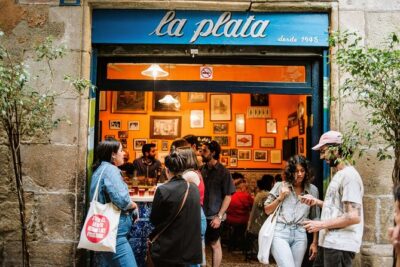
Barcelona: Tapas Walking Tour with Food, Wine, and History
Read our review →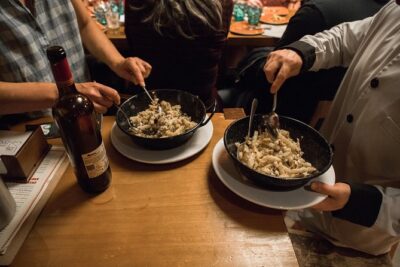
Madrid Tapas & Wine Tasting Walking Tour – Small Group Local Bars
Read our review →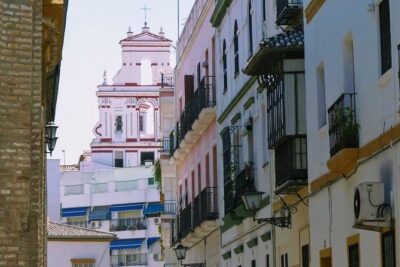
Sevilla Food Tour: Tapas, Wine, History & Traditions
Read our review →
Valencia Old Town Tour with Wine & Tapas in 11th Century Historic Monument
Read our review →
Madrid: Tapas & Wine Tasting Tour with Local Guide
Read our review →
Madrid Tapas & Wine Tour with Rooftop Views and Local Guide
Read our review →