
Review · TAPAS
Discover Argentine Wines Paired with Delicious Tapas
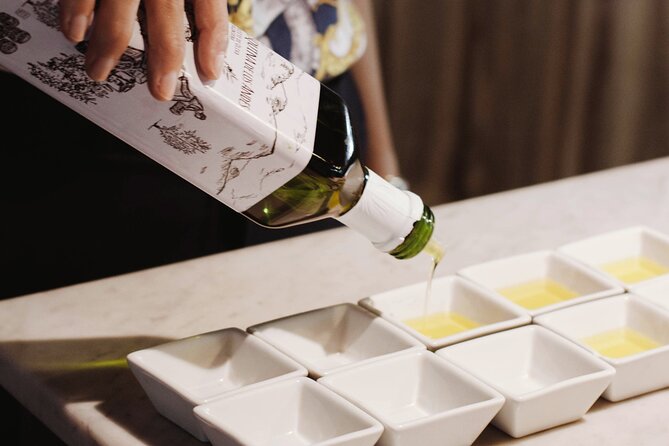
Argentina’s wine story is much bigger than Malbec and Mendoza. This two-hour tasting with Bertie and Aby introduces four wines from different parts of the country, each from a small family-run producer and paired with a homemade regional tapa. You get a useful sense of Argentina’s range without leaving Buenos Aires.
I especially like the clear regional route, from the dry north to cool Patagonia and then Mendoza, and the care put into the food pairings. The tasting is also small, with no more than 14 people, so it feels more like a relaxed afternoon around a table than a formal wine lecture. The main consideration is the setting: this is a home-based experience, and one past booking had trouble getting through the entrance.
Key points at a glance
- Four wines from four Argentine regions: Expect more than a standard Malbec tasting focused only on Mendoza.
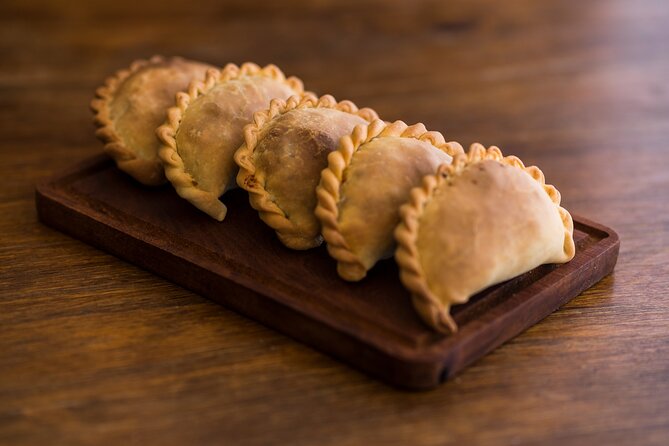
- Fresh regional tapas by Aby: Each wine comes with a small dish designed to suit its flavors.
- Hosts with different strengths: Bertie leads the wine and regional discussion, while Aby brings family recipes and kitchen skill.
- A useful introduction to Argentina: Wine, food, geography, history, and culture are discussed together.
- Small-group setting: The maximum group size is 14, with the activity ending where it begins.
- Good for wine lovers and beginners: You can ask detailed questions or simply enjoy a social food-and-wine afternoon.
Four regions in one Buenos Aires tasting
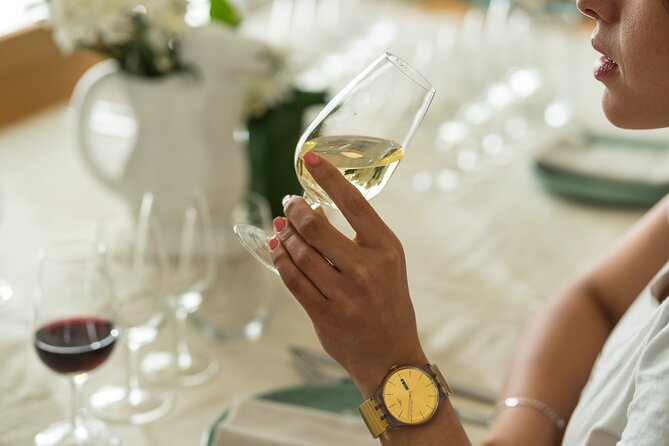
The best part of this experience is its simple geographic idea. Instead of tasting four similar bottles, you move around Argentina through the wines in your glass.
The tasting begins in the arid north, then heads south to the cooler plains of Patagonia before moving back north to Mendoza. Each wine comes from a different producer and region. That structure helps you understand why Argentine wine does not have one single style.
You may already know Mendoza for Malbec, but the tasting does not treat Argentina as a one-grape country. One particularly useful detail is that only one of the featured wines is Malbec, and only one comes from Mendoza. That gives you a broader look at the country’s wine production than the usual Buenos Aires restaurant pour.
Bertie explains where each wine comes from, why particular grapes grow well there, and what makes the producer distinctive. You do not need a strong wine background to follow along. The format is designed to be approachable, but there is enough regional detail to keep a serious wine drinker interested.
More Tapas and Wine Tours in the world:
- Montserrat Half-Day Tour with Tapas and Gourmet Wines
★ 5.0 · 7,359 reviews - Montserrat & Cogwheel Train, Gourmet Wine Tasting & Tapas/Lunch
★ 5.0 · 6,290 reviews - Barcelona Tapas and Wine Experience Small-Group Walking Tour
★ 5.0 · 5,804 reviews
Small producers with a personal story
The wines are sourced from small, family-run producers. That matters because the focus is not only on tasting a finished product. You also hear about the people and places behind it.
A small producer may be working with a limited amount of land, a local grape, or a particular method that gives the bottle a distinct character. This is different from a generic tasting built around widely distributed labels. The point here is to notice how place and family practice shape the wine.
I like this approach for a first or early visit to Argentina. You get a helpful framework for later wine shopping, restaurant orders, or winery visits. If a certain region or style catches your attention, the hosts can point you toward bottles to explore further.
The tasting is educational without making you memorize tasting terms. You are encouraged to notice what you like, compare the wines, and ask questions. The hosts are happy to repeat pours, which is useful if one wine needs a second taste after the food arrives.
Aby’s tapas are half of the experience
This is not four glasses of wine with a bowl of snacks in the middle of the table. Each wine is matched with a freshly prepared regional tapa, made by Aby.
The food gives the tasting its shape. After a pour, you try the small dish, then consider how the two work together. A wine that seems sharp or light by itself may feel different alongside food. A fuller wine may make more sense once paired with a savory bite.
The food examples mentioned by people who have taken the experience include an especially memorable empanada and an Inca-inspired humita. Those details suggest that the menu is not limited to predictable tourist fare. Recipes come with their own background, and Aby explains the food as she presents it.
The portions are small tapas, not a full lunch. Still, the combination of four wines and four food pairings makes this more substantial than a basic tasting. If you are booking it around lunchtime, think of it as a light meal with wine rather than a replacement for a large Argentine steak dinner.
The pairing also gives non-wine drinkers a reason to consider the event. You can learn about Argentine food and enjoy well-prepared dishes even if you are not the person in your group who reads every bottle label.
Bertie and Aby create an easygoing format
The atmosphere is described as cozy, relaxed, and friendly. That is important because wine tastings can sometimes feel stiff, especially when the host assumes everyone already knows the vocabulary.
Bertie handles the wine side with enthusiasm and clear explanations. Aby contributes the food, family recipes, and stories that connect each tapa to Argentina’s regional culture. Their roles complement each other, so the session does not become a long monologue about grapes.
The setting is their apartment near Palermo Soho, with a view and a comfortable atmosphere. You should understand the tradeoff: this is not a winery cellar, grand dining room, or museum-style venue. It is a personal home setting. For many people, that is exactly the appeal. You are sharing food and wine in a more intimate space.
The group can include solo visitors, couples, and friends. The maximum is 14 people, so the room may feel social without becoming crowded. If you prefer a private tasting for only your own group, the supplied details do not promise that arrangement.
One practical note deserves attention. A previous booking had trouble getting into the building. Confirm the entrance instructions before you arrive, and allow a little time to find the correct door at Soler 5650.
More Tapas Tours around the world:
- Montserrat with Black Madonna & Medieval Winery with Tapas/Lunch
★ 5.0 · 5,209 reviews - Barcelona: Montserrat and Winery Tour with Tapas or Lunch
★ 4.8 · 4,695 reviews - Barcelona: Tapas Walking Tour with Food, Wine, and History
★ 4.8 · 4,261 reviews - Madrid Tapas & Wine Tasting Walking Tour – Small Group Local Bars
★ 5.0 · 3,644 reviews
What the two hours feel like
The activity lasts about two hours and begins and ends at Soler 5650 in Buenos Aires. There is no separate winery transfer, bus ride, or city tour built into the schedule. You go to the meeting point, settle in, and stay there for the tasting.
The session likely flows in four rounds. A wine is introduced, you hear about its producer and region, and Aby serves the matching tapa. The group then tastes, discusses, and moves to the next pairing.
That rhythm keeps the experience focused. You are not rushing between stops, and the hosts have time to answer questions. It also means you should arrive ready to spend the full two hours in one place rather than expecting a sightseeing itinerary.
The discussion covers more than winemaking. You learn about Argentina’s geography, food, culture, and history as they relate to the bottle and the plate. That makes the experience useful near the beginning of a Buenos Aires stay, when you are still trying to understand the country’s regional differences.
It can also work well near the end of a trip. You may recognize ingredients, cities, or regions you encountered elsewhere and make better connections between the food on your plate and the places you visited.
Is $84 a fair price?
At $84 per person, this is not the cheapest way to drink wine in Buenos Aires. You can certainly order a glass of Malbec for much less. The value comes from the complete format: four wines, four tapas, guided explanations, a small group, and a personal setting.
The price makes the most sense if you would otherwise pay for a good lunch, a wine flight, and a cultural introduction separately. You are also tasting bottles chosen from small producers, not simply ordering the house selection at a restaurant.
It is less compelling for someone who only wants a large amount of wine. The pours are part of a structured tasting, and the tapas are small. This is about comparison, conversation, and context rather than drinking as much as possible.
The option to repeat wines improves the value. If one bottle is your clear favorite, you are welcome to ask for another pour. Bottles are also available to purchase at the end, which is helpful if you find a producer or style you want to remember. Shipping bottles back to the United States may be possible through arrangements made after the tasting, but the provided details do not guarantee shipping service or cost.
Who should book this experience?
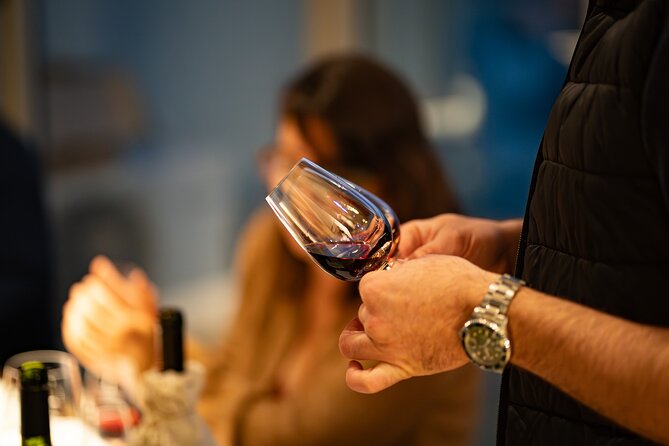
This is a strong choice for couples, especially if you want a relaxed date activity with food and conversation. The setting is also a good fit for friends who want something more social than a restaurant meal.
Solo visitors should feel comfortable booking it. The small group and table-based format make it easy to meet other people, and the hosts put clear effort into making everyone feel at ease.
Wine beginners will find the explanations accessible. You can ask basic questions without feeling out of place. At the same time, a serious wine fan will appreciate the focus on lesser-known producers and regions outside Mendoza.
It suits honeymooners and anyone marking a special occasion, but you do not need a celebration to justify it. The food and wine pairing gives the afternoon a sense of occasion without requiring formal dress or advanced knowledge.
I would be less likely to recommend it if you want a large meal, a tour of working vineyards, or a broad Buenos Aires sightseeing route. You also may not enjoy it if you dislike tasting in a home environment or prefer a private booking.
Timing and booking details that matter
The experience is popular enough that it is often reserved about 40 days ahead. If your Buenos Aires dates are fixed, book early rather than assuming you can find a last-minute opening.
Confirmation is provided at booking. The activity permits service animals and is near public transportation. It ends at the original meeting point, so plan your next stop from there rather than expecting to be dropped elsewhere.
The group maximum is 14 people. That is small enough for direct conversation, though the exact feel depends on the number booked for your date.
Cancellation is free up to 24 hours before the start time for a full refund. Changes or cancellations inside that window are not accepted, and the amount paid is not refunded. The activity also requires a minimum number of people. If that minimum is not reached and the experience is canceled, you are offered another date or experience, or a full refund.
Should you book Discover Argentine Wines and Tapas?
I would book this if you want a friendly, food-centered introduction to Argentine wine rather than a technical tasting or vineyard excursion. The regional sequence is smart, the four wines offer useful variety, and Aby’s tapas make the experience feel personal instead of packaged.
The biggest reasons to choose it are the breadth of Argentine wines and the quality of the food pairing. You are not limited to Mendoza Malbec, and the tasting gives you a better vocabulary for understanding Argentina’s north, Patagonia, and other wine areas.
Book well ahead if possible, and check the entrance details for Soler 5650. If you are happy with a home setting, modest tapas portions, and a guided two-hour format, this is a thoughtful way to spend an afternoon in Buenos Aires.
FAQ
How long does the Argentine wine and tapas experience last?
The experience lasts approximately two hours.
Where does the tasting begin?
It begins at Soler 5650, C1425BYH, in Buenos Aires.
Where does the activity end?
It ends back at the original meeting point.
How many wines are included?
You taste four wines, each from a different producer and region of Argentina. Repeat pours are allowed.
Is food included?
Yes. A small homemade regional tapa is served with each wine.
Are the wines available to buy?
Yes. Wines are available for purchase at the end of the tasting.
What is the maximum group size?
The activity accepts a maximum of 14 people.
Can I cancel for a full refund?
Yes, if you cancel at least 24 hours before the experience start time. Cancellations made less than 24 hours ahead are not refunded.
Just added to the tapas trail around the world
- Winery Visit and Tasting in Elche with wines and tapas from Alicante in Van★ 5.0 · 9 reviews
- Zaragoza: Midday Market and Tapas Tour★ 5.0 · 8 reviews
- Valencia: Paella Cooking Class with Tapas and Drinks★ 5.0 · 25 reviews
- Wine Tasting and local tapas delight in Cordoba★ 4.9 · 3 reviews
- Zaragoza: Wine Tasting and Tapas★ 5.0 · 15 reviews
- Valencia: City Tour with Tapas Shore Excursion★ 5.0 · 9 reviews
- Valencia: Mysteries, Legends, & Local Tapas Experience★ 4.9 · 14 reviews
- Valencia: Tapas and Sightseeing guided tour★ 4.9 · 9 reviews
Tapas and Wine Tours, plate against plate.

Barcelona Tapas and Wine Experience Small-Group Walking Tour
Read our review →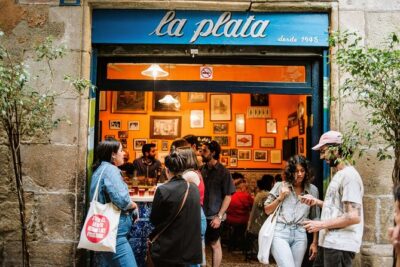
Barcelona: Tapas Walking Tour with Food, Wine, and History
Read our review →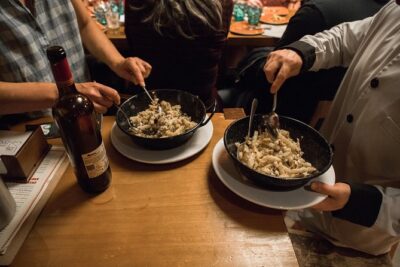
Madrid Tapas & Wine Tasting Walking Tour – Small Group Local Bars
Read our review →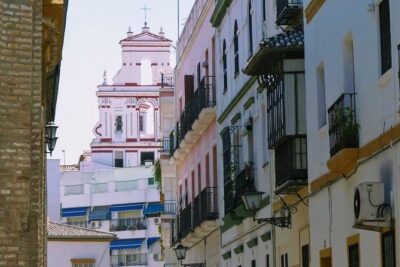
Sevilla Food Tour: Tapas, Wine, History & Traditions
Read our review →
Valencia Old Town Tour with Wine & Tapas in 11th Century Historic Monument
Read our review →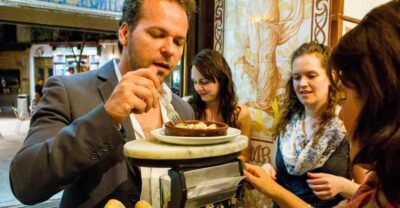
Madrid: Tapas & Wine Tasting Tour with Local Guide
Read our review →
Madrid Tapas & Wine Tour with Rooftop Views and Local Guide
Read our review →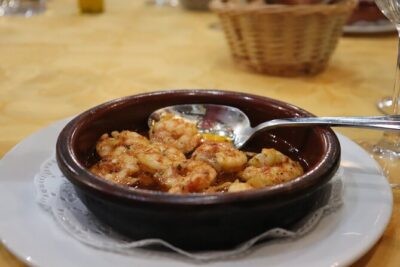
Lists this one belongs to