
Review · SPAIN
Fuerteventura: Tapas and Local Life Guided Tour
Fuerteventura’s best food experiences are often found away from the resort restaurants. This five-hour tour takes you into the island’s quieter corners for cactus fruit, green mojo, olive oil, and Majorero goat cheese, with local hosts explaining how each food fits island life. The live cooking demonstration gives the day a practical touch, rather than turning it into a string of tastings.
I like the small maximum of 16 people, which keeps the finca visits personal. I also like the mix of food and scenery: you ride through Fuerteventura’s greener inland areas, then stop for guided visits instead of simply sitting down to eat. The main consideration is that the experience is offered in German, and some walking over uneven finca ground makes it unsuitable for wheelchair users or people with mobility impairments.
Key points at a glance
- Cactus fruit is part of the story: Learn about prickly pears and taste cactus fruit and cactus jam.
- Green mojo is prepared live: See how this classic Canarian garlic sauce is made during a cooking demonstration.
- Adrian brings the olive farm to life: Learn about local olive trees, oil production, and island farming traditions.
- Majorero cheese gets its proper setting: Taste several award-winning goat cheeses, with red wine included in the tasting stop.
- The group stays small: A maximum of 16 participants makes questions and conversation easier.
- Pickup is limited to southern resorts: Collection is available from Tarajalejo, Costa Calma, Esquinzo, and Morro Jable.
A five-hour route through southern Fuerteventura
This is a half-day food and countryside outing, not a standard restaurant crawl. You leave from your hotel in the south of Fuerteventura, travel by van, and visit two local finca stops.
The total driving time is about 90 minutes: 45 minutes to the first stop, 15 minutes between the two main visits, and 30 minutes back to the drop-off area. That leaves roughly four hours for guided visits, tastings, photos, and conversation.
I see this timing as a good balance. You get enough time at each finca to understand what you are tasting, but the tour does not take up a full day. The trade-off is that you should expect a fair amount of minibus time, especially if you are staying at one of the farther pickup points.
Pickup and return are offered in Tarajalejo, Costa Calma, Esquinzo, and Morro Jable. If you are staying in an apartment rather than a hotel, the operator sends a meeting point so the morning collection can run smoothly.
More Tapas Tours around Spain:
- Montserrat Half-Day Tour with Tapas and Gourmet Wines
★ 5.0 · 7,359 reviews - Montserrat & Cogwheel Train, Gourmet Wine Tasting & Tapas/Lunch
★ 5.0 · 6,290 reviews - Barcelona Tapas and Wine Experience Small-Group Walking Tour
★ 5.0 · 5,804 reviews
The first finca: cactus fruit, marmalade, and green mojo
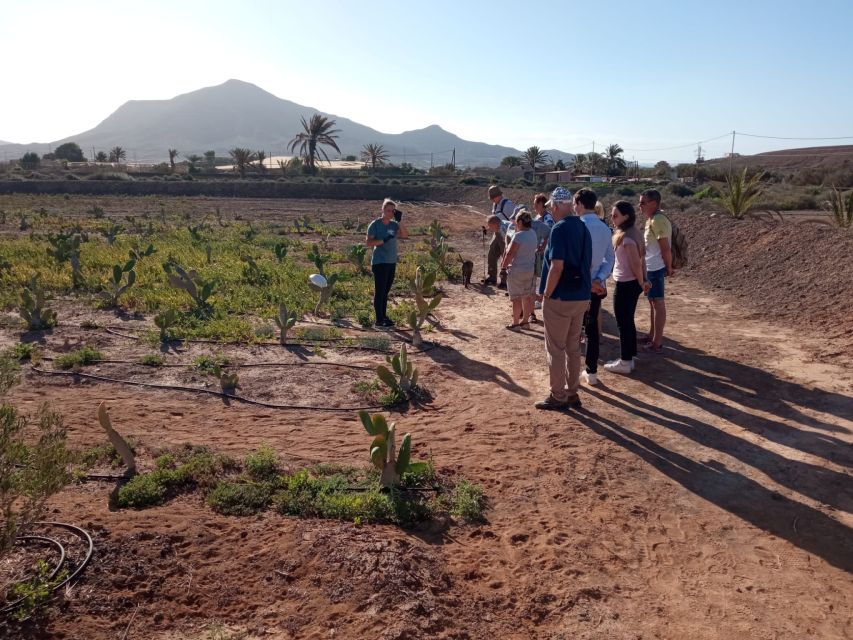
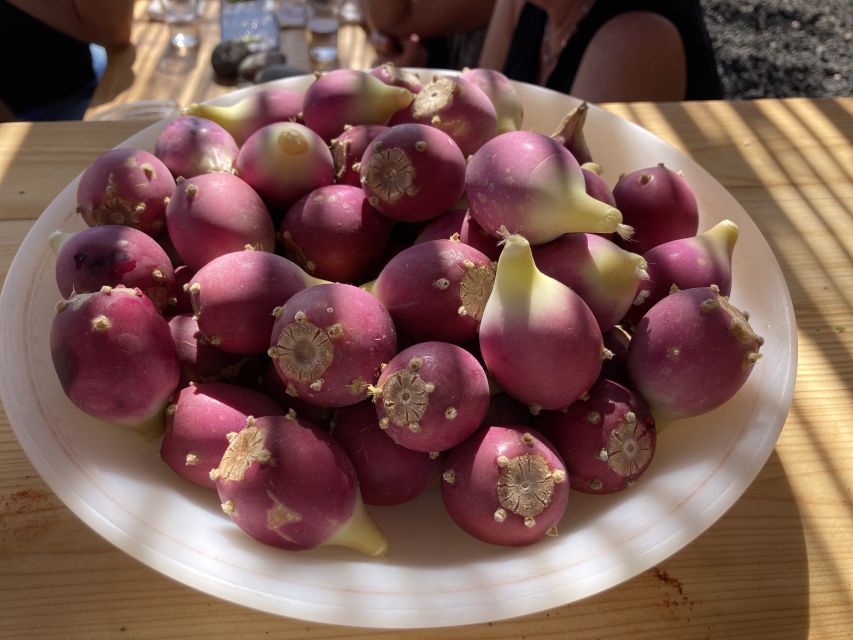
The opening stop is built around local produce and a live cooking demonstration. You learn about prickly pears, also known as cactus fruit, and taste the fruit itself along with cactus jam.
For many people, this will be the most unusual food on the tour. Cactus fruit is not something most visitors associate with the Canary Islands, so it gives the stop a real sense of place. The tasting also shows how island producers turn a hardy plant into something sweet and useful.
The finca visit includes local snacks and tapas, so you are not simply looking at ingredients. You get to try them in a social setting and see how they fit into local eating habits. Marmalades are also part of the food selection.
The live cooking show focuses on green mojo, the Canarian garlic sauce. This is a useful part of the tour because mojo is one of the flavors you are likely to encounter across the islands. Watching it being prepared helps you recognize the ingredients and gives you a better idea of how the sauce is served.
I especially like this format for anyone who wants more than a tasting plate. You see the preparation, hear the explanation, and then taste the result. The group is small enough that you can ask questions rather than simply watch from the back.
The exact setup may feel rustic rather than polished. That is part of the point, but it also means you should wear practical clothing and shoes. Sandals and flip-flops are not allowed, and closed, stable footwear is the sensible choice for finca paths.
Olive oil with Adrian and the island’s farming traditions
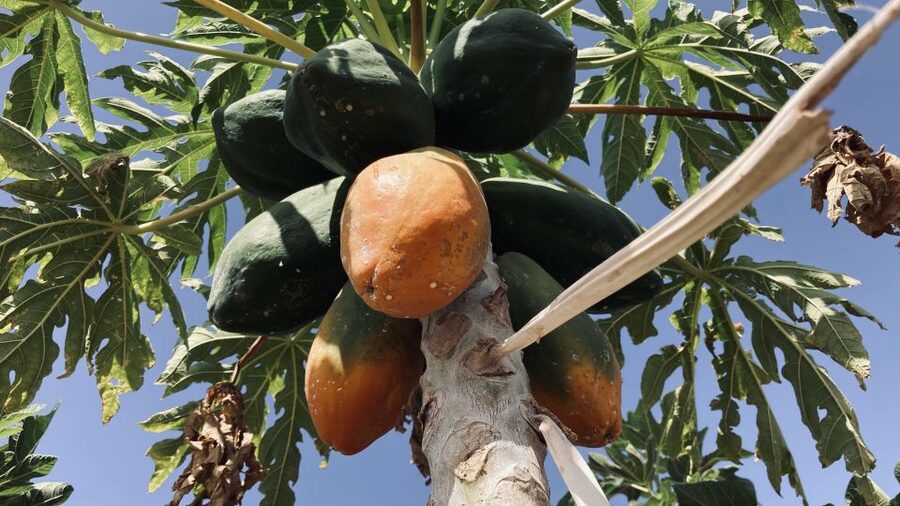
The second major food theme is olive oil. At the olive farm, your host explains how olive trees are grown and how oil is made locally. The visit is not only about tasting. It connects the product with the people and work behind it.
Adrian is singled out for his passion for the olive trees and the amount of care he brings to the subject. That personal connection is important. A short explanation of pressing methods can be forgettable, but a farmer who clearly loves the trees can make the subject stick.
You taste extra virgin olive oil from Fuerteventura and learn about local olive-growing customs. The tour presents olive oil as part of everyday island life, not as a luxury product detached from its source.
There is one important seasonal note. From February through September 2026, the farm will not have its own olive oil for sale because recent harvests have been small. You can still take part in the oil tasting, but in poor weather the tasting may use extra virgin oil from another local farmer instead.
This does not cancel the visit, but it changes what you should expect. If buying oil directly from the farm is a major reason for booking, check the current situation before you go. The tasting and explanation remain the central parts of the stop.
Majorero goat cheese with wine
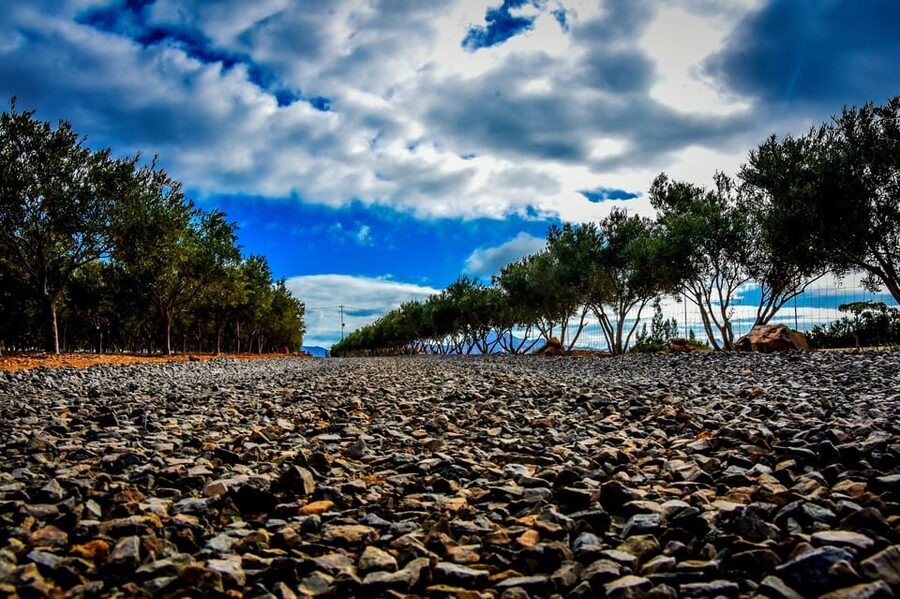
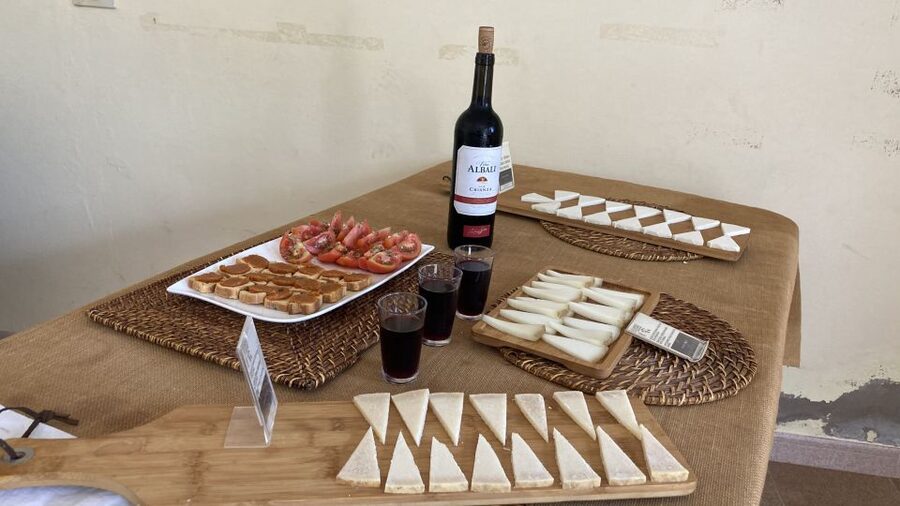
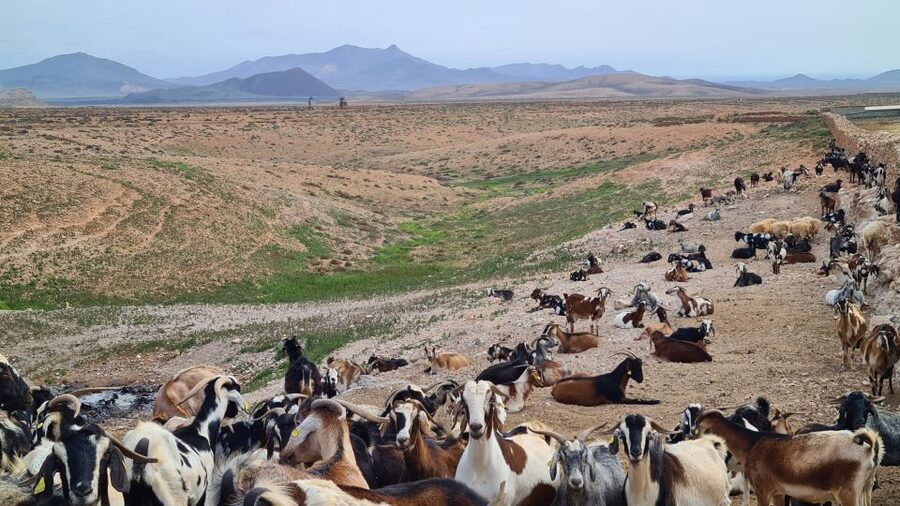
Fuerteventura is well known for Majorero goat cheese, and the tour gives it plenty of attention. You see the Majorero goat and taste several cheeses, including varieties that have won international awards.
This is more useful than being handed one small sample without context. The different cheeses let you compare flavors and textures, while the guide explains their local connection. The tasting is paired with a glass of red wine, which makes this stop feel like a proper food break rather than a quick snack.
I like that the cheese is presented alongside the goat itself. It gives you a clearer sense of the production chain, from animal to finished product. You also get a better appreciation for why goat cheese matters in Fuerteventura, where local agriculture has had to adapt to a dry climate.
The cheese stop is also where the tour feels most suited to people who enjoy relaxed conversation around food. If you prefer a fast-moving sightseeing schedule, two hours at a finca may feel long. If you like asking questions, sampling several products, and eating at an unhurried pace, the time is well used.
The included food is described as tapas at each finca. Water is not included, so bring your own bottle. Sunscreen and a hat are also sensible, since the outdoor portions can leave you exposed to the sun.
Same appetite, a different route:
- Montserrat with Black Madonna & Medieval Winery with Tapas/Lunch
★ 5.0 · 5,209 reviews - Barcelona: Montserrat and Winery Tour with Tapas or Lunch
★ 4.8 · 4,695 reviews - Barcelona: Tapas Walking Tour with Food, Wine, and History
★ 4.8 · 4,261 reviews - Madrid Tapas & Wine Tasting Walking Tour – Small Group Local Bars
★ 5.0 · 3,644 reviews
Green scenery beyond the resort strip
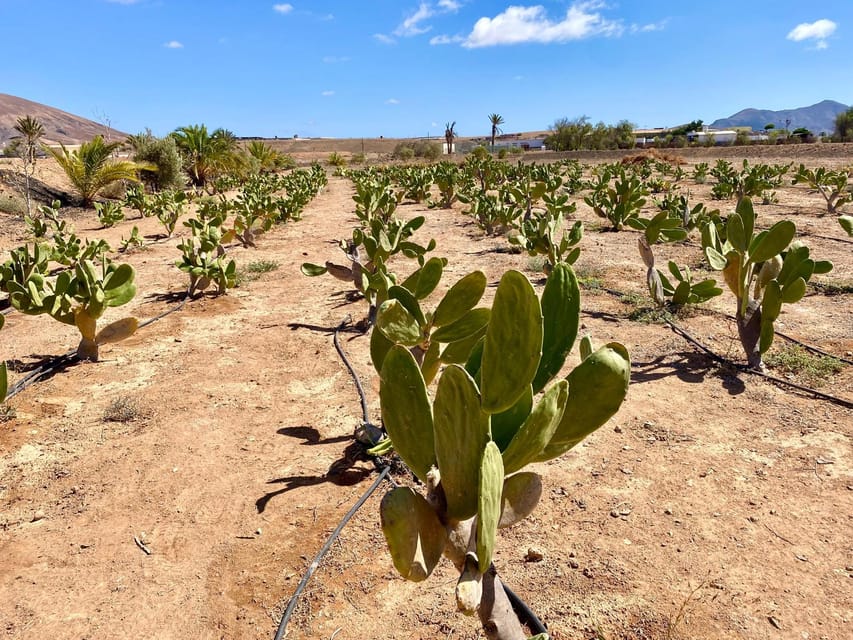
Fuerteventura is famous for beaches and open, dry country, but this tour points you toward the island’s greener side. The drive and finca visits show a different version of the island, with cultivated areas and local agricultural spaces rather than resort promenades.
I would not book this as a grand sightseeing circuit. You are not being taken to a long list of monuments or major viewpoints. The appeal is quieter: you get a look at working farms, meet people connected to local produce, and see how food is made in a place where farming is not easy.
The route includes a photo stop, and the scenery provides a useful change from the hotel zone. Keep your expectations sensible. The tour is about food, local hosts, and rural life first, with scenery as an important extra.
Why the group size matters
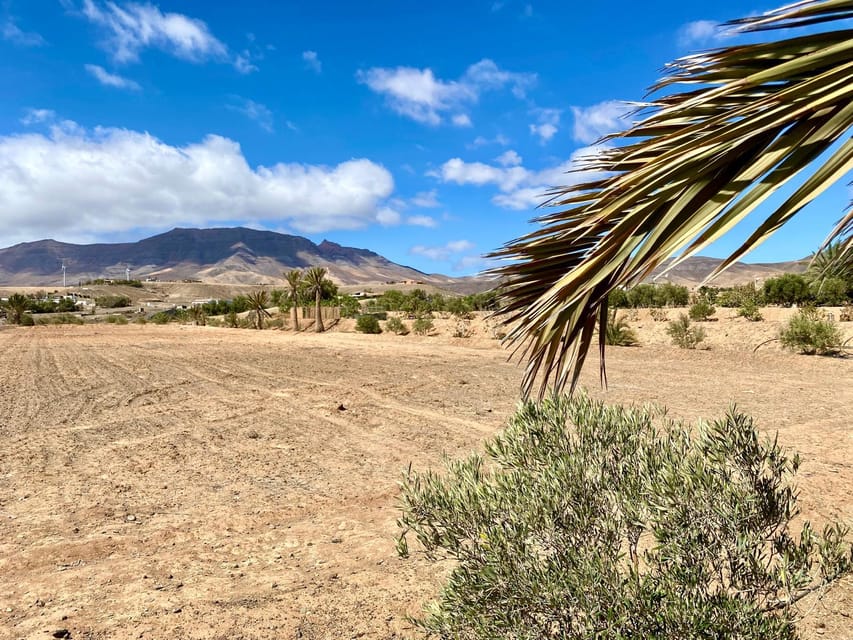
The tour accepts no more than 16 participants. That is a practical advantage at a finca, where the best part of the visit is often the chance to ask a question or speak directly with the host.
A large coach group can turn a farm visit into a demonstration viewed from a distance. This smaller format should make it easier to hear the guide, move between tasting areas, and stay involved in the cooking demonstration.
The small group also supports the personal tone of the experience. Kristina is described as a warm host, and the tour’s appeal depends heavily on that human connection. The food itself is available elsewhere, but meeting people who care about cactus fruit, olive trees, and goat cheese gives the outing its character.
The language matters. The live guide is German-speaking, so this is best suited to German-speaking visitors. If you do not understand German, you may miss much of the value, since the explanations are a central part of every stop.
What the $92 price gets you
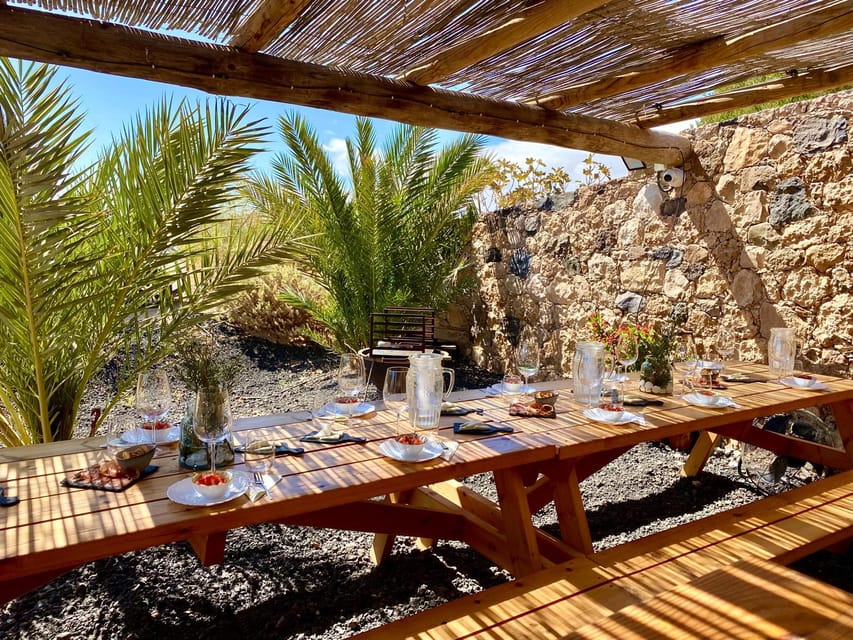
At $92 per person, this is not the cheapest way to eat in Fuerteventura. You could spend less on cheese, sauce, and drinks at a market or restaurant. The price makes more sense when you count the transportation, hotel pickup, professional guide, guided finca visits, cooking demonstration, tastings, and tapas at both stops.
You are paying for access and interpretation as much as for food. The guide takes care of the driving, introduces you to local producers, and explains how the products are made. That saves you from arranging separate transport to rural areas and trying to locate farms on your own.
The value is strongest if you want a structured half-day with real local contact. It is weaker if you mainly want a large meal or a shopping trip. The olive oil sales issue from February to September 2026 also means you should not judge the price on the assumption that you will bring home a bottle from the farm.
The rating of 4.9 from 407 bookings points to very strong satisfaction, and the praise focuses on the organization, personal feel, and hosts. I would put particular weight on those points because they match the actual design of the experience: small group, direct contact, and several guided stops.
Who will enjoy this food tour most
I would recommend this experience to you if you enjoy:
- Local food with an explanation of where it comes from
- Small groups instead of large coach outings
- Rural scenery and working farms
- Meeting hosts who are personally involved in production
- Trying unusual foods such as cactus fruit and cactus jam
- A relaxed half-day rather than a packed sightseeing schedule
- German-language guiding
It is also a good choice if you have already spent time on Fuerteventura’s beaches and want to see a more local side of the island. The tour adds context to foods you may notice elsewhere, especially mojo and Majorero cheese.
I would think twice if you need step-free access, use a wheelchair, or have limited mobility. The activity is not suitable for wheelchair users or people with mobility impairments. You should also avoid it if you want an English-language guide, since the listed tour language is German.
Practical details before you book
Wear sturdy shoes. Sandals and flip-flops are not allowed, and the finca settings may involve uneven ground.
Bring water, sunscreen, and a hat. Water is not included, and the combination of outdoor visits and Fuerteventura’s strong sun can make a bottle and sun protection important.
Pickup is included from hotels in Tarajalejo, Costa Calma, Esquinzo, and Morro Jable. Apartment guests receive a meeting point instead of a direct hotel collection.
The tour lasts five hours, but starting times vary, so check availability for your date. You can cancel up to 24 hours before departure for a full refund, and the reserve-now, pay-later option keeps payment off your immediate travel budget.
The olive farm’s own oil may not be available for sale from February through September 2026 because of small recent harvests. Bad weather can also mean that the tasting uses extra virgin oil from another local producer. You still receive the tasting and local explanation, but the source may change.
Should you book the Fuerteventura tapas tour?
Book it if you want food, countryside, and personal contact in one manageable half-day. The strongest reasons are the small group, the live green mojo demonstration, Adrian’s olive farm visit, and the chance to taste several Majorero cheeses with wine.
I would not book it solely for olive oil shopping, especially during the February to September 2026 period. I would also skip it if you need English guiding or easy-access paths.
For German-speaking visitors staying in southern Fuerteventura, this is a well-focused way to get beyond the resort strip. You leave with a better understanding of cactus fruit, mojo, olive oil, and goat cheese, plus a clearer sense of the people who keep these food traditions going.
FAQ
How long does the Fuerteventura tapas and local life tour last?
The tour lasts five hours, including transportation, guided finca visits, tastings, and return travel.
Where does pickup take place?
Pickup is available from hotels in Tarajalejo, Costa Calma, Esquinzo, and Morro Jable.
Can apartment guests receive pickup?
Yes. If you are staying in an apartment, the operator sends a meeting point to make the morning pickup easier.
What language is the tour conducted in?
The live tour guide speaks German.
What food and drinks are included?
You receive tapas at each finca, along with tastings of cactus fruit, cactus jam, mojo-related foods, olive oil, and Majorero cheeses. A glass of red wine is included with the cheese tasting.
Is water included?
No. You should bring your own water.
What should I bring?
Bring water, sunscreen, and a hat. Wear sturdy footwear, since sandals and flip-flops are not allowed.
Can I buy olive oil at the farm?
From February through September 2026, the olive farm will not have its own oil for sale because of small recent harvests. The tasting may still use extra virgin oil from another local farmer.
Is the tour suitable for wheelchair users?
No. The activity is not suitable for wheelchair users or people with mobility impairments.
Can I cancel the booking?
Yes. You can cancel up to 24 hours in advance for a full refund. You can also reserve now and pay later.
Just added to the tapas trail around Spain
- Winery Visit and Tasting in Elche with wines and tapas from Alicante in Van★ 5.0 · 9 reviews
- Zaragoza: Midday Market and Tapas Tour★ 5.0 · 8 reviews
- Wine Tasting and local tapas delight in Cordoba★ 4.9 · 3 reviews
- Zaragoza: Wine Tasting and Tapas★ 5.0 · 15 reviews
- Valencia: Paella Cooking Class with Tapas and Drinks★ 5.0 · 25 reviews
- Valencia: City Tour with Tapas Shore Excursion★ 5.0 · 9 reviews
- Valencia: Mysteries, Legends, & Local Tapas Experience★ 4.9 · 14 reviews
- Valencia: Tapas and Sightseeing guided tour★ 4.9 · 9 reviews
Spain Tapas Tours, plate against plate.
Barcelona Tapas and Wine Experience Small-Group Walking Tour
Read our review →
Barcelona: Tapas Walking Tour with Food, Wine, and History
Read our review →
Madrid Tapas & Wine Tasting Walking Tour – Small Group Local Bars
Read our review →
Sevilla Food Tour: Tapas, Wine, History & Traditions
Read our review →
Valencia Old Town Tour with Wine & Tapas in 11th Century Historic Monument
Read our review →
Madrid Tapas & Taverns Small Group Food & History Tour
Read our review →
Barcelona Paella Cooking Class with Market Visit, Tapas & Sangria
Read our review →
Madrid: Small Group of Prado Museum Tour & Optional Tapas
Read our review →Lists this one belongs to