
Review · CÓRDOBA
Tapas Tour in Córdoba
Córdoba’s past arrives at the table on this two-hour evening walk. You taste mazamorra, aubergine with honey, and oxtail while moving through Roman, Muslim, and Christian chapters of the city, then finish with a local wine and a view of the Mosque-Cathedral.
I like the route for two clear reasons: the food has a story, and the night walk links the dishes to real places rather than treating dinner as a string of unrelated stops. I also like the final terrace, which gives the evening a proper Córdoba finish.
The main caution is the price. At $112 per person, this is not a cheap way to eat three tapas, and the portions are not a full dinner. Food allergies are another serious concern because the menu is fixed and substitutions may be very limited.
Key points to know before booking
- Three dishes, three historical periods: Mazamorra represents Roman-era food traditions, aubergine with honey recalls Muslim Córdoba, and oxtail connects with the Christian conquest.
- A night route through the old town: The walk begins at Plaza del Potro, continues toward the Roman Bridge, and ends with a view of the Mosque-Cathedral.
- The menu is set in advance: You cannot freely choose the tapas, so contact the company before booking if you have any dietary concern.
- The guide shapes the evening: José Antonio, Chema, and Barbara have each led well-regarded tours, with history, food, and culture at the center.
- Three restaurants, not a long tapas crawl: Expect one tasting at each stop rather than several small plates at every bar.
- A private group with Spanish or English guiding: The private format may suit couples, families, or small groups who prefer a more personal walk.
Córdoba’s history served three ways
I like the basic idea here because it gives you a simple key to Córdoba. Instead of trying to absorb every date and dynasty in one sitting, you connect each dish with a different period of the city’s past.
The food is served in three local restaurants in the old town. This is important: the tour is closer to a guided historical tasting than to a classic bar crawl. You walk between stops, hear about the city, and eat one selected tapa at a time.
The tour is also conducted after dark. That changes the feel of Córdoba. The old streets and major monuments take on a quieter character, and the walk becomes as important as the food. You are not simply sitting down for dinner. You are using dinner as the thread that leads you around the historic centre.
The experience provider, Córdoba a Pie, offers the tour in English or Spanish. Named guides include José Antonio, Chema, and Barbara. José Antonio is noted for tying food and culture together, while Chema is described as charming and well informed. Barbara has also led the route with energy and care. You cannot request a particular guide from the supplied details, but the names give you a sense of the personal style this experience can have.
More Tapas Tours around Spain:
- Montserrat Half-Day Tour with Tapas and Gourmet Wines
★ 5.0 · 7,359 reviews - Montserrat & Cogwheel Train, Gourmet Wine Tasting & Tapas/Lunch
★ 5.0 · 6,290 reviews - Barcelona Tapas and Wine Experience Small-Group Walking Tour
★ 5.0 · 5,804 reviews
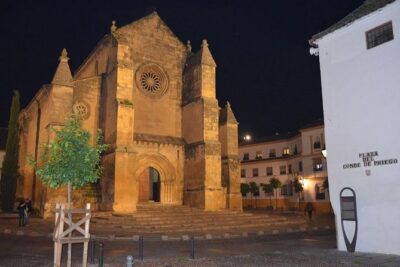
Starting at Plaza del Potro
Your meeting point is Plaza del Potro. Look for the guide holding an orange umbrella, and arrive 10 minutes before the scheduled start.
That advice matters in Córdoba’s old town, where narrow streets and pedestrian areas can make a meeting point harder to spot than it looks on a map. The orange umbrella should make the guide easier to find, but arriving early gives you time to orient yourself without rushing into the first tasting.
The tour does not include hotel pickup or drop-off. Plan to make your own way to Plaza del Potro and back from the final terrace. Since the experience takes place in the historic centre, your evening is built around walking, not transport.
The first dish is mazamorra, a cold soup made from bread and oil. Its roots are linked to Roman times, and it offers a useful introduction to the role of humble ingredients in Andalusian cooking. Bread, oil, and other basic foods could be turned into something filling and substantial.
Mazamorra is not the same dish as the better-known gazpacho, and its texture and flavor may surprise you if you expect a hot soup. The description specifically presents it as cold, so do not mistake that for a serving error. If cold soups are not your thing, this may be the least familiar course of the night.
The portion is a tasting, not a bowl meant to replace dinner. That is a recurring point to keep in mind throughout the tour. You are paying for food, guiding, and the route together, not for three large restaurant meals.
Walking past the Roman Bridge
After the first tapa, the route continues around the Roman Bridge. Your guide explains its history as you walk.
This is where the tour’s format earns its keep. The bridge is not just scenery between restaurants. It gives the Roman chapter a physical setting, and the food you have just tasted gains a connection to the city itself.
The route is described as a walk through emblematic places in the historic centre, but the exact streets and timing can vary. The fixed elements are the start at Plaza del Potro, the Roman Bridge area, the three tastings, and the final terrace. You should expect a guided stroll rather than a formal monument visit with interior access.
The night setting is one of the strongest reasons to choose this experience. Córdoba’s most famous sights are often crowded during the day, and a walk after dark gives you another way to see them. The guide can explain what you are looking at while you move from one food stop to the next, so the city becomes part of the meal.
Aubergine with honey and Muslim Córdoba
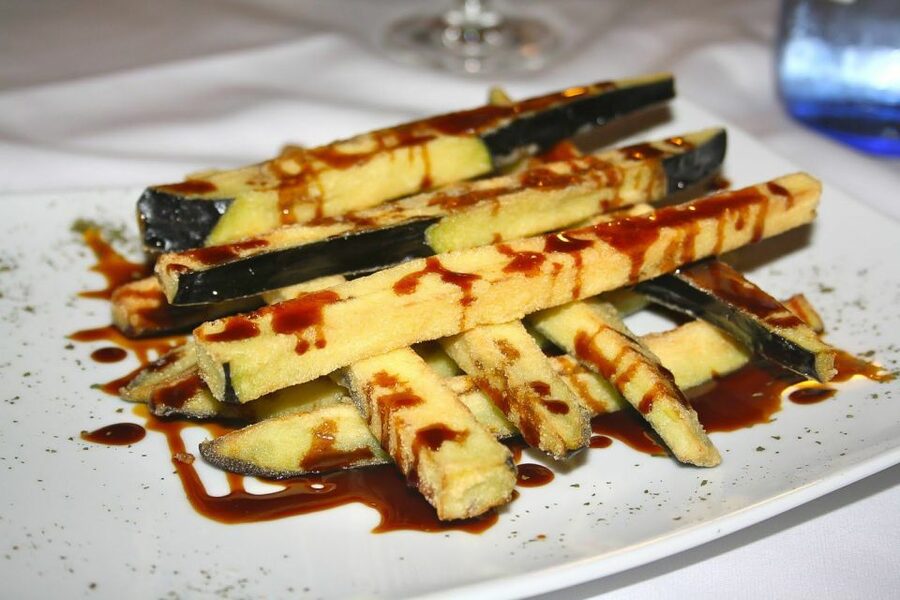
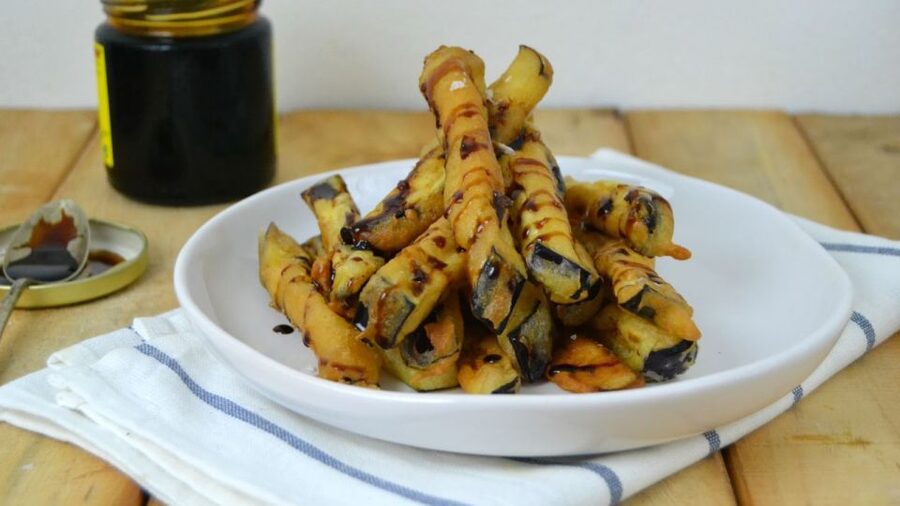
The second tapa is berenjenas califales, aubergine with honey. The dish points to the Muslim period of Córdoba, when aubergine was introduced to the Iberian Peninsula by Muslim culture.
This course provides a different taste from the first. Where mazamorra is soft, cool, and bread-based, the aubergine is fried and paired with honey. The contrast is part of the appeal, and the guide explains how an ingredient can tell a larger story about trade, agriculture, and cultural exchange.
The menu is selected ahead of time by the local company. You cannot choose freely from a restaurant menu or swap this dish simply because another tapa sounds better. That keeps the historical sequence intact, but it also limits flexibility.
Food preference and allergy planning are essential. The experience is marked as unsuitable for people with food allergies, and you are told to contact the company in advance if you have any allergy. One gluten-free diner received a very restricted selection, described as mostly potatoes, and found the result poor value. That is a strong warning, not a minor footnote.
If you have an allergy, do not assume a message at the meeting point will solve the problem. Contact the company before booking and ask exactly what can be provided. If the answer is vague, choose another food experience.
Same appetite, a different route:
- Montserrat with Black Madonna & Medieval Winery with Tapas/Lunch
★ 5.0 · 5,209 reviews - Barcelona: Montserrat and Winery Tour with Tapas or Lunch
★ 4.8 · 4,695 reviews - Barcelona: Tapas Walking Tour with Food, Wine, and History
★ 4.8 · 4,261 reviews - Madrid Tapas & Wine Tasting Walking Tour – Small Group Local Bars
★ 5.0 · 3,644 reviews
Oxtail and the Christian chapter
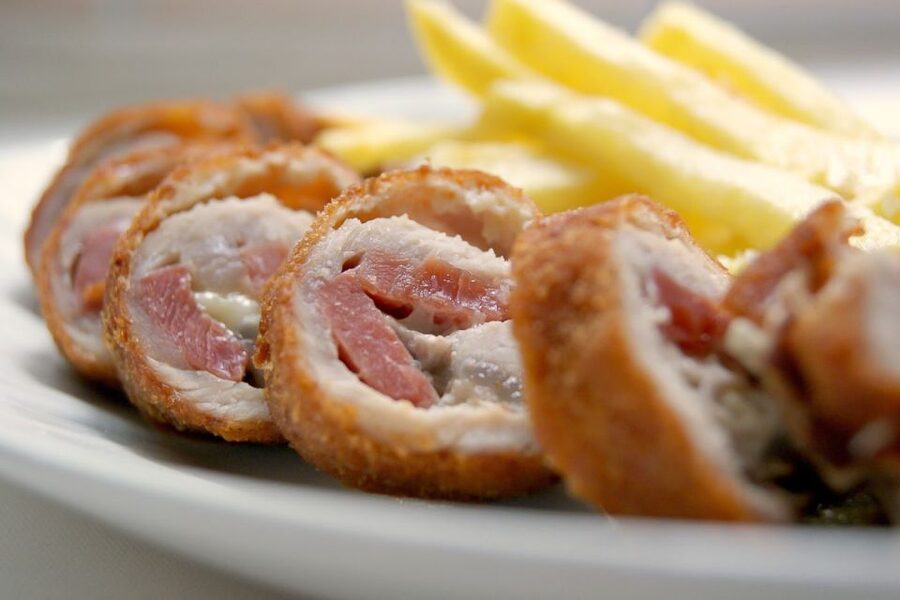
The third tapa is rabo de toro, or oxtail. It connects the meal with the Christian conquest and the later stage of Córdoba’s history.
Oxtail is a fitting choice for this part of the route because it is a traditional, slow-cooked dish with a heavier character than the earlier tastings. The serving is described as small, so think of it as a sample of local cooking rather than a full plate of stew.
This is also the course that may divide opinion most sharply. Some people enjoy the deep, gelatinous texture that comes from oxtail. Others may find it too rich or unfamiliar. One diner found the meat and accompanying fries disappointing, while other accounts describe the food choices as very good. The honest takeaway is that the dish depends heavily on your taste and on the preparation served that evening.
The tour’s food quality has not been uniformly praised. Some evenings appear to deliver a pleasing mix of local dishes, while another account found all three courses underwhelming. That uncertainty matters at this price. If your main goal is a high-end food crawl, this may not be the safest choice.
If your goal is to understand Córdoba through three representative dishes, the oxtail still has value. It completes the Roman, Muslim, and Christian sequence and gives the guide a clear way to explain how the city changed over time.
The terrace finish with the Mosque-Cathedral
The final stop is a top terrace with a view of the Mosque-Cathedral at night. A local wine is served to close the two-hour tour.
This is the most memorable part of the evening for many people because it brings the food and walking route together in one last view. You finish above the old town, looking toward Córdoba’s defining monument instead of ending in an ordinary restaurant.
The terrace is a viewing stop, not described as a full dinner setting. The included drink is a local wine, and the tour includes tapas and drinks, but the details of every drink served during the route are not specified. If you do not drink wine, ask the company in advance about alternatives rather than assuming one is available.
The view also helps justify part of the cost, though not all of it. You are paying for a private guided experience, three restaurant tastings, drinks, a night walk, and the terrace setting. Still, $112 is a substantial sum for two hours and three small dishes. The value makes the most sense for someone who wants a guided cultural evening and would otherwise pay separately for a food tour and city walk.
Is this really a tapas tour?
That depends on what you expect from the word tapas.
If you picture a lively evening of several busy bars, multiple plates at each stop, and plenty of free choice, this tour may disappoint. The structure is one selected course in each of three restaurants. A past participant specifically objected that it felt like one course per restaurant rather than a conventional tapas tour, and also found the food quality weak.
If you define a tapas tour as a guided sampling of local dishes, this experience fits. You receive three traditional foods, drinks are included, and the guide explains the cultural setting behind each one. It is more controlled and educational than spontaneous.
I would not book it as your only dinner unless you have confirmed that the portions and menu suit you. The tasting may leave you wanting more, especially if you are accustomed to Spanish dinner portions later in the evening. Treat it as a food-and-history walk with a light meal, not as a large evening feast.
Guide quality and private groups
The guide is central to the value. The best part of this tour is not the number of dishes. It is the connection between the food, the streets, and Córdoba’s history.
José Antonio has been praised for his explanations of food, culture, and the city. Chema is described as charming, and his personality helped make the evening pleasant. Barbara has also been singled out for giving a well-organized and motivated tour.
Those details suggest that the guide can make a real difference. A lively explanation can turn cold soup into a Roman food lesson and aubergine with honey into a story about Muslim influence. A flat delivery would leave you with three small portions and little else.
The group type is private. That is useful if you are traveling with companions and want the guide’s attention directed toward your group. It may also make it easier to ask questions about the history or dishes. The provided information does not state the maximum group size, so ask before booking if group size is important to you.
Who should book this Córdoba evening?
I would choose this experience if you want a short, structured introduction to Córdoba after dark. It suits someone who enjoys connecting food with history, likes walking through old streets, and values a scenic final stop.
It may be a good first-night activity because the route gives you a basic map of the historic centre and introduces several local dishes. The two-hour length also leaves room for a later drink or additional meal, though that is not part of the tour.
I would be cautious if you are a serious food enthusiast looking for culinary depth. The dishes are traditional, but the menu is fixed and the portions are small. The mixed feedback on food quality also means you should not assume the meal will match the price.
I would also avoid it if you have a food allergy unless the company confirms a safe and satisfying menu before you pay. The set tasting leaves little room for last-minute changes.
Cancellation is free up to 24 hours before the start time, and you can reserve now and pay later. Those policies help if your Córdoba plans are still moving, but they do not change the central question: are you paying for dinner, or for a guided cultural walk with food? At $112, the answer needs to be the second one.
Should you book the Tapas Tour in Córdoba?
Book it if you want a history-led evening walk, a private group setting, and a final terrace view of the Mosque-Cathedral. The Roman, Muslim, and Christian food sequence is easy to follow, and a strong guide such as José Antonio or Chema can make the two hours feel personal and useful.
Skip it if you want a low-cost tapas crawl, large portions, or free menu choice. You should also skip it if the company cannot clearly handle your allergy. For everyone else, this is best viewed as a compact Córdoba introduction with three tastings, not a full dinner and not a conventional bar-hopping tour.
FAQ
How long does the Tapas Tour in Córdoba last?
The tour lasts two hours.
Where does the tour start?
It starts in Plaza del Potro. Look for a guide holding an orange umbrella.
How early should I arrive?
You should arrive 10 minutes before the start time.
Which languages are available?
The live guide is available in Spanish and English.
What food is included?
The tasting includes mazamorra, aubergine with honey called berenjenas califales, and oxtail called rabo de toro.
Can I choose my own tapas?
No. The tapas are selected in advance by the local company and are not free choice.
Are drinks included?
Yes. Drinks are included, with a local wine served at the final terrace.
Is hotel pickup included?
No. Hotel pickup and drop-off are not included.
Can people with food allergies join?
The experience is listed as unsuitable for people with food allergies. If you have an allergy, contact the company in advance to ask about the menu and possible arrangements.
Can I cancel for a refund?
You can cancel up to 24 hours in advance for a full refund.
Can I reserve now and pay later?
Yes. The tour offers a reserve-now, pay-later option.
Just added to the tapas trail around Spain
- Winery Visit and Tasting in Elche with wines and tapas from Alicante in Van★ 5.0 · 9 reviews
- Zaragoza: Midday Market and Tapas Tour★ 5.0 · 8 reviews
- Wine Tasting and local tapas delight in Cordoba★ 4.9 · 3 reviews
- Zaragoza: Wine Tasting and Tapas★ 5.0 · 15 reviews
- Valencia: Paella Cooking Class with Tapas and Drinks★ 5.0 · 25 reviews
- Valencia: City Tour with Tapas Shore Excursion★ 5.0 · 9 reviews
- Valencia: Mysteries, Legends, & Local Tapas Experience★ 4.9 · 14 reviews
- Valencia: Tapas and Sightseeing guided tour★ 4.9 · 9 reviews
Córdoba Tapas Tours, plate against plate.
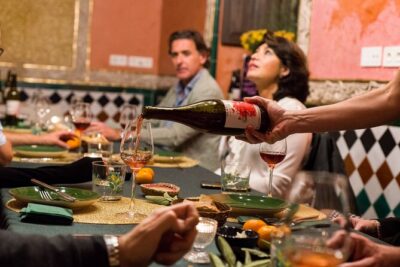
Tapas Tour Cordoba & Wine Experience with chef and sommelier
Read our review →
Lists this one belongs to