
Review · BARCELONA
The Tapas Secret: Eat Where Locals Eat
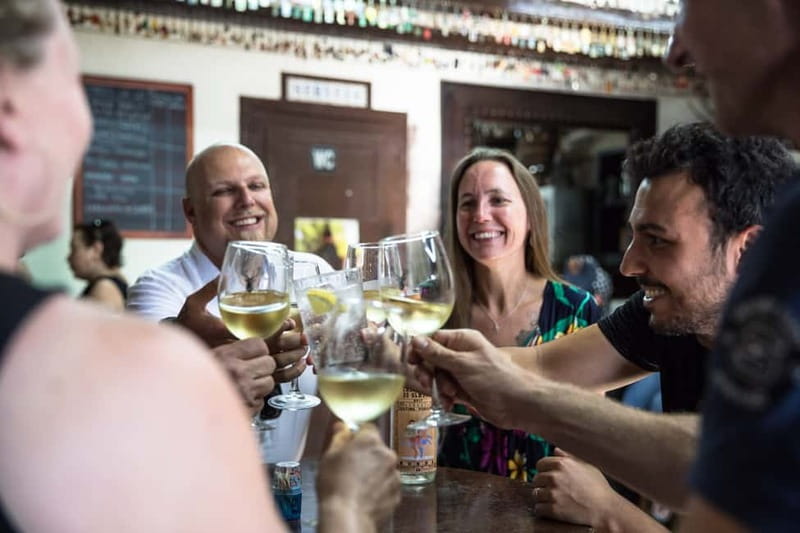
Barcelona’s best tapas experience may begin far from the city’s famous dining streets. This 2.5-hour walk takes you through El Clot, a local neighborhood where family-run bars serve homemade food to regulars, not polished plates designed for sightseeing crowds. Atair leads the route with personal ties to the bars and a clear love for the area.
I like the three-bar format, which gives you a useful look at different local places instead of making you sit through one long meal. I also like the generous spread, with 10 to 12 tapas portions, Spanish charcuterie, seafood, cheese, wine, cava, beer, and other drinks. The main drawback is that this is a walking food tour for people who can manage several stops on foot, and it is not suitable for people with mobility impairments or babies under one year.
Key points to know
- Three family-owned bars: Eat in local places where traditional cooking still leads the way.
- A full meal in small plates: Plan for 10 to 12 homemade portions, including more than four types of Spanish charcuterie and seafood.
- A different side of Barcelona: The route centers on El Clot, away from the usual tourist streets.
- Drinks are part of the experience: Expect wine, cava, beer, vermouth, other spirits, or non-alcoholic choices.
- Atair gives the tour its local focus: His relationships with the bars make the visits feel personal rather than staged.
- Come hungry: One of the best practical tips is to avoid eating a full meal before you arrive.
Why El Clot makes a better tapas setting
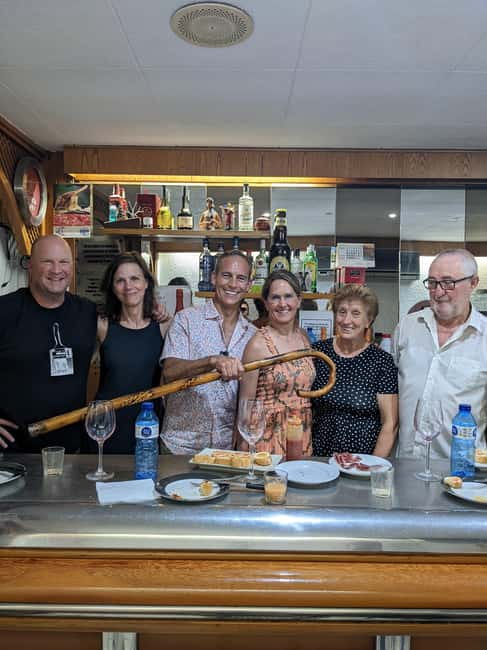
Barcelona has no shortage of tapas restaurants, but the central areas can make local food feel like a performance for visitors. El Clot offers a different setting. The route begins on Carrer de València, 550, beside the Encants Metro Station, then finishes at Plaça del Mercat, 7, in Sant Martí.
That change of setting matters. You are not simply ticking off dishes in a restaurant near a major sight. You are walking through a working neighborhood and visiting bars that serve the community around them. The focus is on how people eat locally: small plates, familiar drinks, regular conversation, and food prepared without much concern for fashion.
I like this approach because it gives the meal a sense of place. The food is not presented as a grand culinary show. Instead, you get classic tapas, seasonal ingredients, homemade recipes, and the kind of straightforward cooking that makes a neighborhood bar worth returning to.
The trade-off is that the experience does not promise fancy presentations or famous dining rooms. If you want experimental cuisine or a restaurant listed in every guidebook, this is not the right pick. If you want to see how traditional food fits into daily life, El Clot is a smart choice.
More Tapas Tours around Barcelona:
- Montserrat Half-Day Tour with Tapas and Gourmet Wines
★ 5.0 · 7,359 reviews - Montserrat & Cogwheel Train, Gourmet Wine Tasting & Tapas/Lunch
★ 5.0 · 6,290 reviews - Barcelona Tapas and Wine Experience Small-Group Walking Tour
★ 5.0 · 5,804 reviews
Starting beside Encants Metro Station
The meeting point is easy to identify. You meet the guide at Carrer de València, 550, directly in front of a store called Don Cuina Bany, beside the entrance to Encants Metro Station.
That landmark is useful because a metro entrance gives you a clear place to aim for. Transportation to the meeting point is not included, so you need to arrange your own way there. The route ends at Plaça del Mercat, 7, in Sant Martí, rather than returning to the starting point. Keep that in mind when planning the next part of your day.
Atair leads the tour, and his role is more than simply explaining what appears on the plate. His connection with the bars is a major part of the experience. You can expect introductions to the people behind the counters and some insight into why these places matter to the neighborhood.
The tour is offered in English, Spanish, or Portuguese. That makes it a practical choice for a mixed group, and it also allows the guide to speak naturally with local bar owners.
Three bars, three chances to eat like a regular
The route visits three different bars, with 10 to 12 homemade tapas portions spread across the stops. This setup keeps the meal moving and lets you compare different styles of local food.
The first bar appears to be a particularly strong part of the route. One traveler described it as the favorite stop, which makes sense: the opening venue sets the tone, and a good first plate can quickly show you what makes the neighborhood different from central Barcelona.
You might begin with traditional items such as artisanal cold cuts and cheese. The food is designed to be shared, so you are likely to see plates arrive for the group rather than receiving a formal sequence of individual courses. That format encourages conversation and makes it easier to try foods you might not order on your own.
The second and third bars add variety. The experience includes fresh seafood and other homemade recipes, so the meal is not limited to charcuterie or bread-based bites. The exact dishes can change, but the stated range gives you a good idea of the balance: cured meats, cheese, seafood, and regional tapas built around local products.
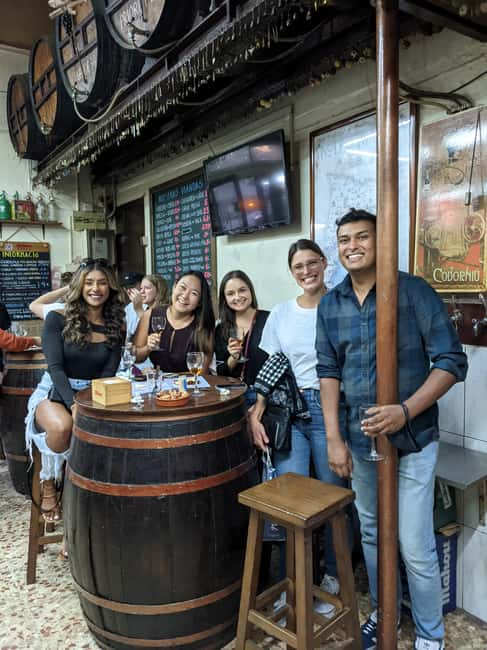
The family-run setting is important here. The kitchens are described as places where older generations still take an active role, with grandfathers and grandmothers involved in preparing the food. You are not being taken to a chain or a dining room designed mainly for foreign visitors. You are visiting places that have their own regulars and routines.
That can also mean less polish. A neighborhood bar may be compact, informal, or simple in appearance. The appeal is the food and the welcome, not a carefully styled room. I would choose this tour for its human contact and cooking, not for decoration.
What fills your plate
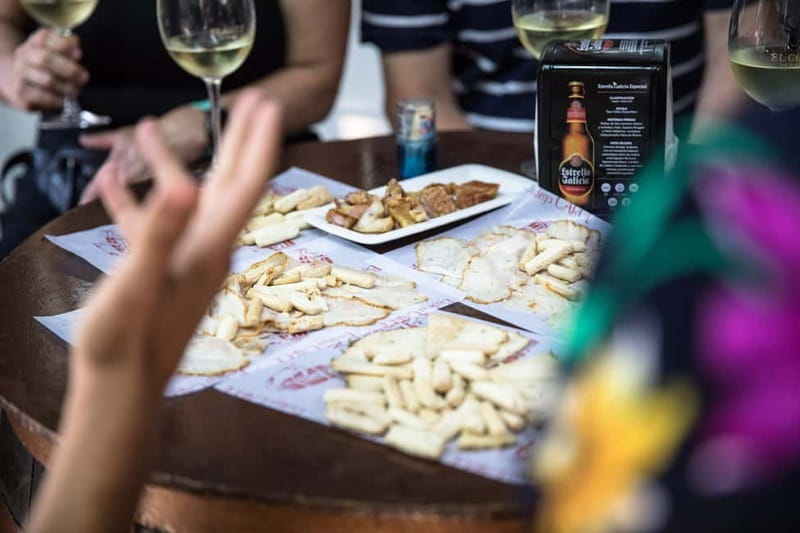
The most substantial part of the experience is the food. You receive between 10 and 12 homemade portions, including more than four types of top Spanish charcuterie. That is a good amount for a 2.5-hour tour, especially when the plates are combined with drinks.
Charcuterie gives you a useful introduction to Spanish eating habits. Instead of rushing through one large entrée, you can sample different cured meats and compare their texture, saltiness, and seasoning. Cheese adds another layer, while seafood brings a fresher contrast to the richer items.
The tapas are described as classic rather than modern. You should expect familiar regional cooking, not miniature versions of fine-dining dishes. That is a strength if you want food that feels connected to local routine. It is less suitable if you are searching for unusual techniques or elaborate presentations.
The portions also explain the advice to come hungry. One person specifically suggested not eating dinner directly before the tour, and that is sensible. Ten to 12 portions, plus drinks at three bars, can easily take the place of a full meal.
I would plan this as your main lunch or early evening food activity. Arriving after a large meal could leave you unable to enjoy the later stops, particularly if the group samples several charcuterie plates and seafood dishes.
Same appetite, a different route:
- Montserrat with Black Madonna & Medieval Winery with Tapas/Lunch
★ 5.0 · 5,209 reviews - Barcelona: Montserrat and Winery Tour with Tapas or Lunch
★ 4.8 · 4,695 reviews - Barcelona: Tapas Walking Tour with Food, Wine, and History
★ 4.8 · 4,261 reviews - Barcelona Paella Cooking Class with Market Visit, Tapas & Sangria
★ 5.0 · 2,531 reviews
Wine, cava, beer, and vermouth
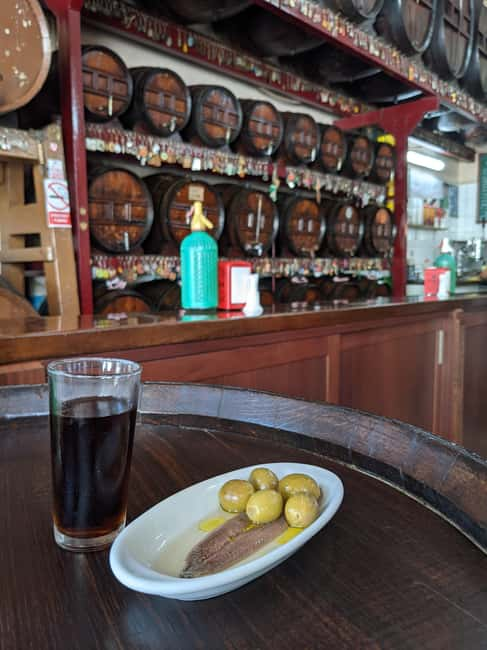
Drinks are not an afterthought here. The included selection covers Spanish white, red, and sparkling wines, along with beer and other spirits. Cava and vermouth are also part of the experience, and non-alcoholic options are available.
This range gives the tour a useful sense of Spanish drinking culture. A tapas stop often works best when food and drink arrive together, with each small plate matched to a different glass or bottle. You do not need to be an expert to enjoy it. The guide can help put the drinks into context as you move from one bar to the next.
Cava offers a sparkling option, while vermouth brings a more traditional aperitif style. Wine gives you both red and white choices, and beer keeps things familiar if that is your preference. The availability of non-alcoholic drinks also means you can join the social side of the experience without drinking alcohol.
The listing says beers and other spirits are included, but it does not provide an exact drink count. I would treat the tour as a generous tasting experience rather than an unlimited bar crawl. The main focus remains the food, the neighborhood, and the people you meet.
Meeting bar owners and local regulars
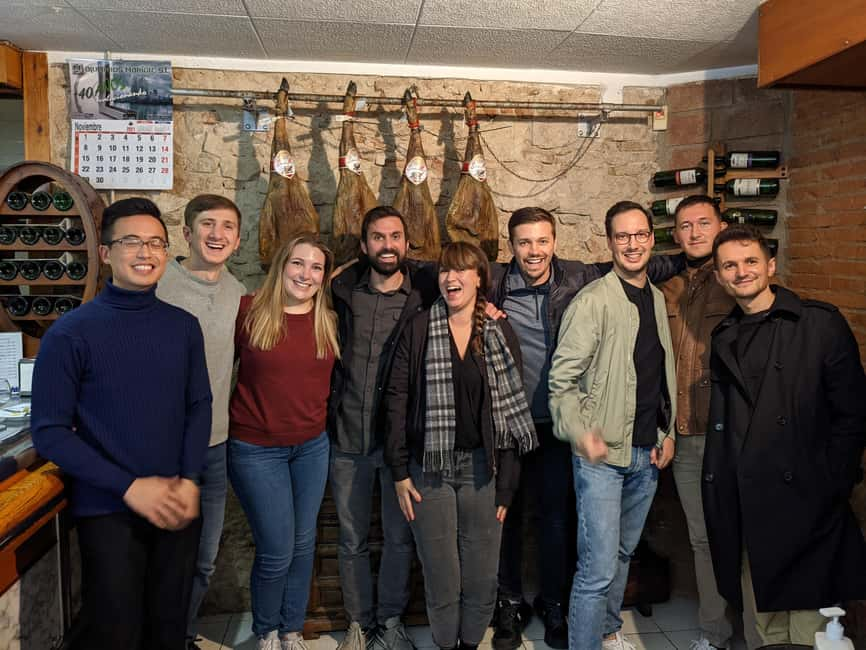
One of the most appealing details is the chance to meet the people who run the bars. The experience is built around places where the owners and kitchen staff are still closely involved in the food.
That personal link changes the tone. You are not just being handed a plate and sent to the next address. Atair’s relationship with the bars helps create a warmer welcome, and the introductions give the stops more meaning. The bars become part of the neighborhood story rather than anonymous food outlets.
You also meet other people from different countries during the tour, along with some locals. That mix can make the 2.5 hours feel social without turning the experience into a formal group event. Food gives everyone an easy subject, and the shared plates encourage conversation.
The size of the group is not provided, so I would not book this expecting a private tour. The guide language options and social format suggest a shared experience. If you prefer to eat alone or move at your own pace, three scheduled bar stops may feel structured. If you enjoy meeting people over food, the format should work well.
What the tour teaches you about Barcelona
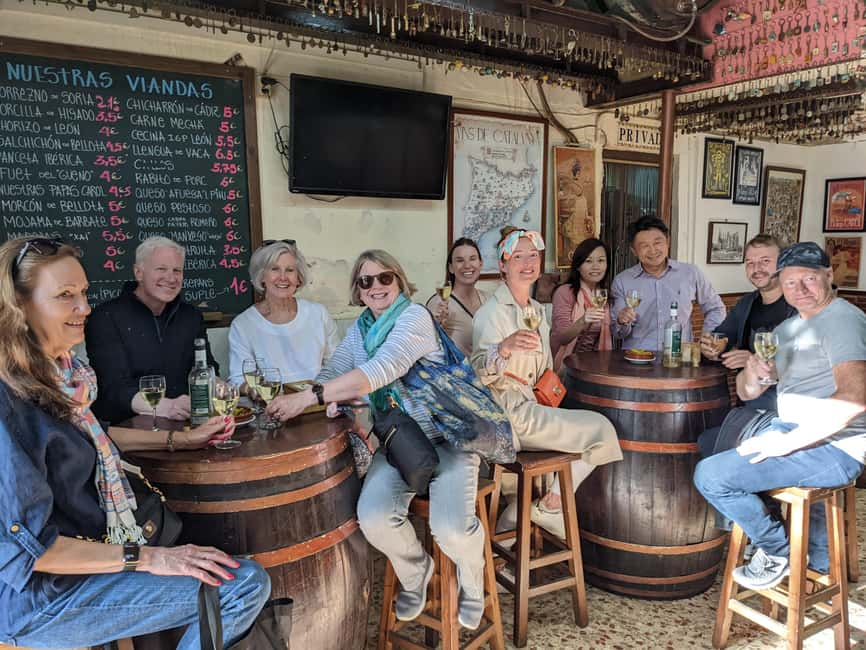
This experience offers more than a list of tapas. It shows how food helps build a local community.
In the neighborhood bars, the meal is tied to relationships. You see the places where families keep old recipes going, where fresh products are paired with traditional drinks, and where the food does not need to follow the latest trend to matter. That is a useful counterpoint to Barcelona’s more famous dining districts.
I especially like the emphasis on seasonal and local products. It means the meal is not presented as a fixed museum display of Catalan food. Some dishes may change depending on what is available, while the basic style stays traditional.
The tour also lets you compare the feeling of El Clot with the city center. You will not be surrounded by the same level of tourist traffic, and the bars are not chosen because they appear in every guidebook. For a repeat visitor, or anyone who has already seen the major sights, that change of pace can be the main reason to book.
Price, timing, and practical value
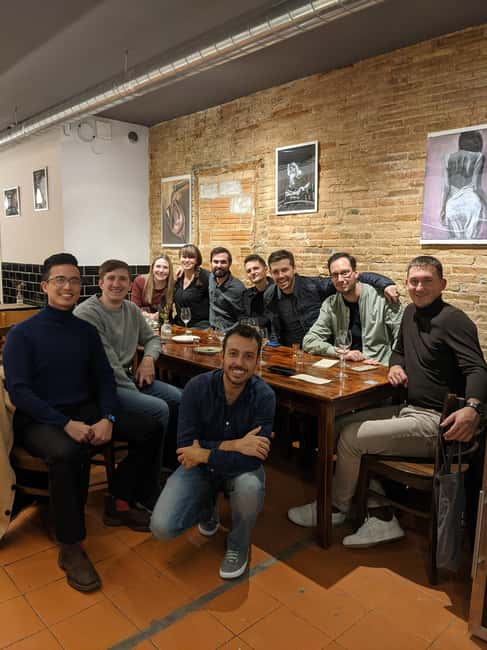
The price is $88 per person for 2.5 hours. That is not cheap for a tapas outing, but it includes a substantial amount of food and a broad range of drinks across three bars.
If you bought 10 to 12 tapas portions and several drinks separately, the cost could add up quickly. You are also paying for the route, the introductions, and Atair’s local connections. The value is strongest if you want context and company along with your meal.
The price is less attractive if you only want a quick snack or already know Barcelona’s bar scene well. You could spend less by choosing one neighborhood bar and ordering a few plates yourself. You would not receive the same guided route or personal introductions, though.
The 2.5-hour length is well judged for a food walk. It is long enough to visit three locations and eat properly without taking over the entire day. I would avoid scheduling a major museum visit or a tight transport connection immediately afterward. The finishing point is different from the meeting point, and the meal may leave you ready for a slower afternoon.
Free cancellation is available up to 24 hours before the start for a full refund. You can also reserve now and pay later, which helps if your Barcelona schedule is still changing.
Who should book this tapas walk
I would recommend this tour if you want to:
- Eat traditional food in family-run local bars
- Get away from the most tourist-heavy parts of Barcelona
- Try several types of Spanish charcuterie, cheese, seafood, and other tapas
- Learn about local drinks such as cava and vermouth
- Meet a guide with personal ties to the neighborhood
- Turn one meal into a social cultural experience
It is especially suitable for food-focused visitors, repeat visitors, and anyone who values local contact more than fancy surroundings. It also works well for people who want a full meal but prefer tasting many small portions instead of ordering one large dish.
I would think twice if you have limited mobility, dislike walking between stops, or need a stroller for a baby under one year. It may also disappoint you if your idea of tapas involves high-end presentation, famous restaurants, or carefully planned pairings.
Should you book The Tapas Secret?
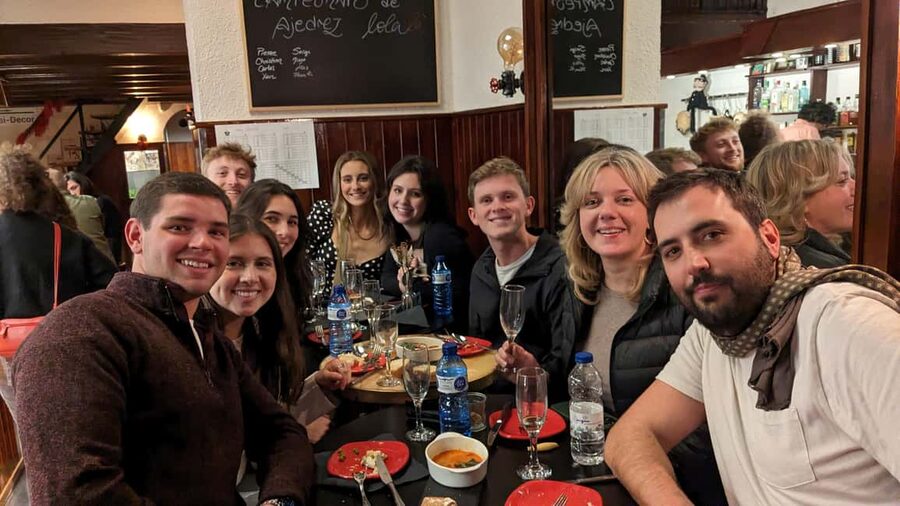
Book it if you want Barcelona through its neighborhood bars rather than its postcard sights. The strongest parts are the local setting, the generous food portions, and Atair’s personal relationships with the people running the bars.
Come hungry, arrange your own transport to Encants Metro Station, and remember that the tour finishes in Sant Martí. At $88, it works best as a complete food-and-culture outing, not as a cheap snack tour. For an authentic look at El Clot and a chance to eat where locals eat, this is a very good choice.
FAQ
Where does the tapas tour start?
It starts at Carrer de València, 550, in front of the Don Cuina Bany store beside the entrance to Encants Metro Station.
Where does the tour finish?
The tour finishes at Plaça del Mercat, 7, in Sant Martí, Barcelona.
How long does the experience last?
The tour lasts 2.5 hours.
How many bars does the tour visit?
The experience includes visits to three different bars.
How much food is included?
You receive 10 to 12 homemade tapas portions, ranging from charcuterie items to seafood.
What drinks are included?
The included drinks feature Spanish white, red, and sparkling wines, as well as beer and other spirits. Cava and vermouth are also available, along with non-alcoholic options.
Is transportation to the meeting point included?
No. You are responsible for getting to the meeting point.
Which languages are offered?
The tour is available in English, Spanish, and Portuguese.
Is the tour suitable for people with mobility impairments?
No. The experience is not suitable for people with mobility impairments.
Can I cancel for a full refund?
Yes. You can cancel up to 24 hours in advance for a full refund. You can also reserve now and pay later.
Just added to the tapas trail around Barcelona
- Barcelona: Guided Rooftop Wine Tasting – Enjoy 6 Spanish Wines★ 4.5 · 61 reviews
- Barcelona: Bike or eBike Tour, Top Sights & Local Insights★ 5.0 · 47 reviews
- Barcelona Sailing Experience: Spanish Tapas and Premium Open Bar★ 4.5 · 34 reviews
- Wine & Cava Penedes Tour: Wineries, Wine Tasting and Tapas★ 5.0 · 5 reviews
- Barcelona’s Most Terrific of Tapas Tours in the Gothic quarter★ 5.0 · 2 reviews
- Barcelona Morning Tapas Crawl by Food Tour★ 5.0 · 45 reviews
- Tapas Bike Tour Barcelona★ 5.0 · 8 reviews
- Barcelona Tapas & Wine Private Tour in Traditional Taverns★ 4.5 · 60 reviews
Barcelona Tapas Tours, plate against plate.

Barcelona Tapas and Wine Experience Small-Group Walking Tour
Read our review →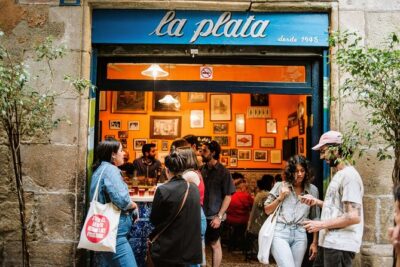
Barcelona: Tapas Walking Tour with Food, Wine, and History
Read our review →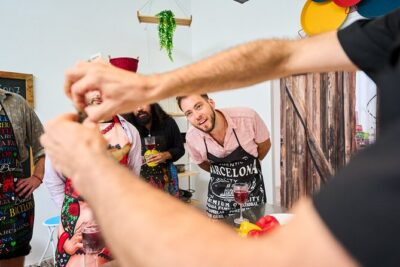
Barcelona Paella Cooking Class with Market Visit, Tapas & Sangria
Read our review →Barcelona Gothic Quarter Tapas & Taverns Food & Wine Tour
Read our review →
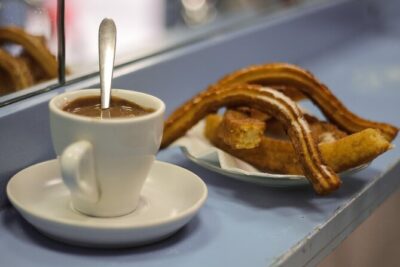
Barcelona Food Tour: Tapas, Paella, Sangria & 8+ Local Tastings
Read our review →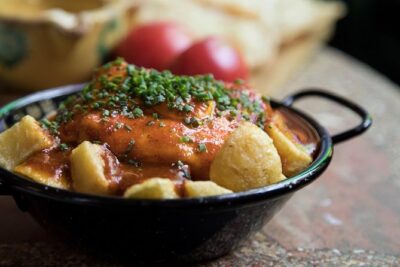

Barcelona: Unique Sunset Sailing Tour with Tapas & Open Bar
Read our review →Lists this one belongs to