Review · VALENCIA
Valencia: Evening Guided Paella Workshop, Tapas, and Drinks
Valencia takes its paella seriously, and this evening workshop lets you see why. You do not simply watch a chef stir a pan. You help prepare the dish, learn the customs behind it, and sit down with the group to eat what you made. The meal begins with tapas and sangria, then moves through paella, dessert, coffee, and a small glass of mistela.
I like the hands-on cooking and the way the class connects paella with Valencian family life. I also like the generous food and drink package, which includes tapas, wine, sangria, beer, and local specialties. The main thing to consider is the social format: groups can be fairly large, so this suits you best if you enjoy cooking and eating with new people rather than seeking a quiet private lesson.
Key points to know before booking
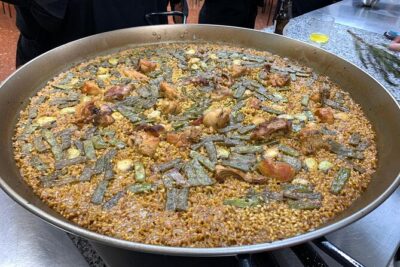
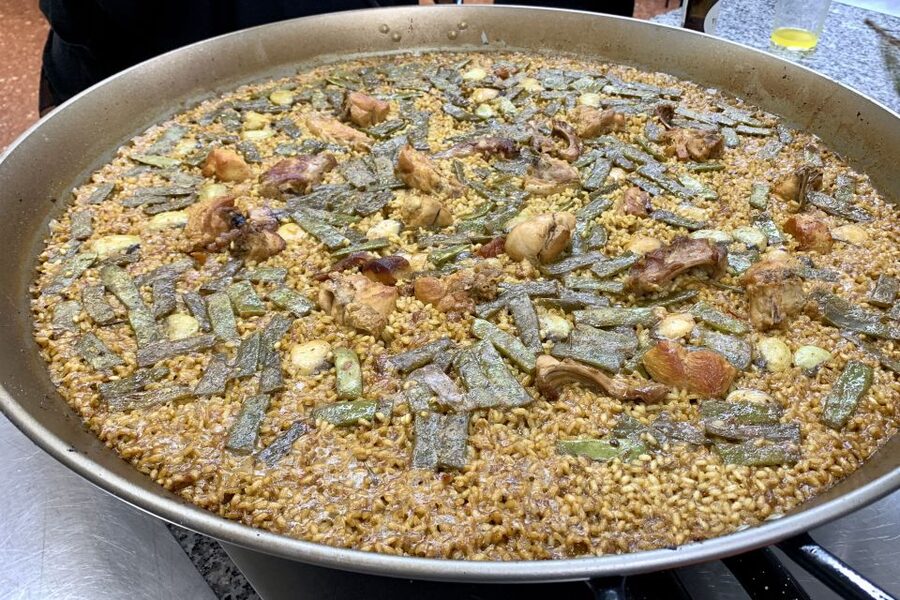
- Choose your paella: Make a traditional Valencian version with chicken, rabbit, and vegetables, or prepare a seafood paella using salmorreta, a carefully built sauté that gives the dish much of its flavor.
- Start with a full spread: Expect Manchego cheese, ham, olives, Valencian salad, mussels, Spanish omelet, or patatas bravas before the main cooking begins.
- Learn from local hosts: Ana, José, Cristina, Chris, Lily, and other members of the cooking team have led sessions, with the exact chef depending on the evening.
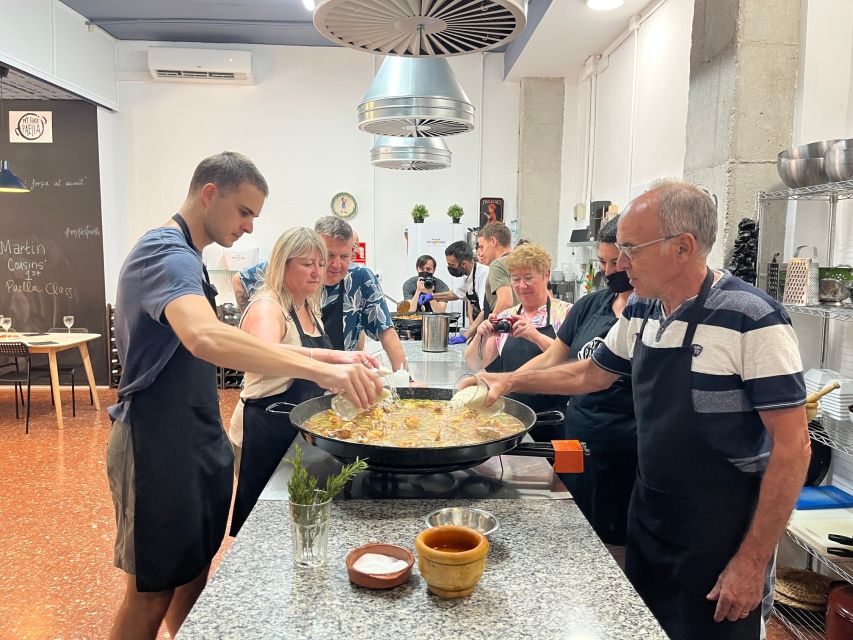
- Plan on a social three hours: Cooking is shared in groups, then everyone eats together at the end.
- Drinks are part of the experience: Sangria, beer, soft drinks, water, Valencian DO wine, cazalla, coffee, and mistela are included.
- Come hungry: The combination of tapas, paella, dessert, and drinks makes this a full evening meal, not a short demonstration.
Why paella makes such a good Valencia lesson
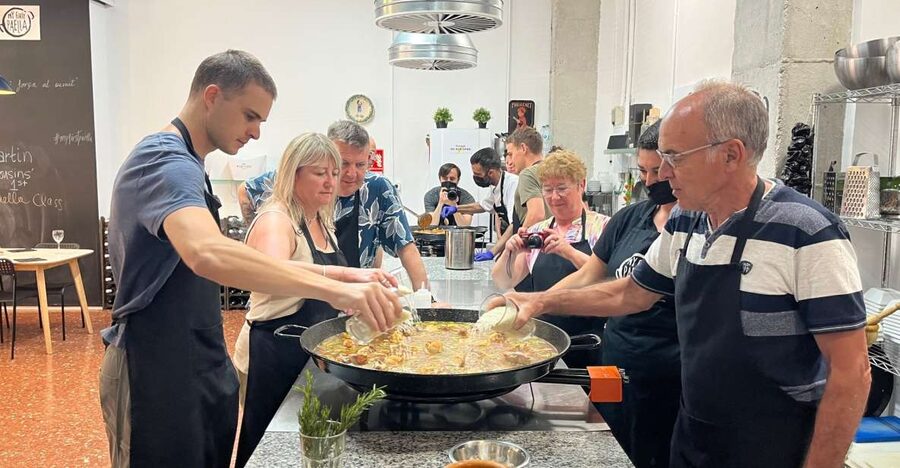
Paella is not just a popular Spanish dish. In Valencia, it carries a strong sense of place and family tradition. The class explains that connection while showing you the practical work behind the dish.
That matters because paella is easy to order and surprisingly easy to misunderstand. Rice cooked in a wide pan is not automatically Valencian paella. The ingredients, the stock, the sofrito-style base, the timing, and the way the rice settles in the pan all affect the final result.
The lesson gives you useful kitchen information rather than treating paella as a showpiece. You learn how the dish is built, why the flavor develops in stages, and how the chef manages the rice once it is added. One particularly useful point is the preparation of salmorreta for the seafood version, an elaborate sauté that helps give the dish its deep, savory taste.
You will not leave as a Valencian chef after one evening. You will leave with a much clearer idea of what to do at home, what not to rush, and why a good paella depends on control rather than constant stirring.
More Paella Cooking Classes in Valencia
- Valencian paella cooking class, tapas and visit to Ruzafa market.
★ 5.0 · 828 reviews - Seafood paella cooking class, tapas and visit to Ruzafa market.
★ 5.0 · 328 reviews - Valencian Paella Cooking Class, Tapas & Sangria – Evening
★ 5.0 · 303 reviews
Arriving to tapas, sangria, and a friendly welcome
The evening begins with food already on the table. You can expect Manchego cheese, ham, olives, Valencian salad with tomato, and steamed mussels, along with either Spanish omelet or patatas bravas.
This opening course works well for two reasons. First, it gives you something to eat while the group arrives and settles in. Second, it introduces familiar Spanish flavors before you start the more involved cooking. The salad and olives keep the opening meal light, while the ham, cheese, mussels, and potatoes make it substantial enough to hold you over until the paella is ready.
The sangria workshop comes early too. You help prepare the drink, then continue with sangria, beer, soft drinks, water, and Valencian DO wine during the evening. The generous drinks are part of the appeal, but they also shape the mood. This is a lively social dinner, not a formal culinary school class.
The hosts are central to that atmosphere. Ana has been praised for combining clear instruction with warmth and humor, while José, Cristina, Chris, Lily, Guillermo, and other cooks have also led sessions. The exact team can vary, but the format remains consistent: an English-speaking local cook explains the food, keeps the group involved, and makes room for questions.
One practical point: alcohol is present throughout the experience. You can choose soft drinks or water, but anyone who wants a quiet, alcohol-free class may find the tone more festive than expected.
Choosing between Valencian and seafood paella
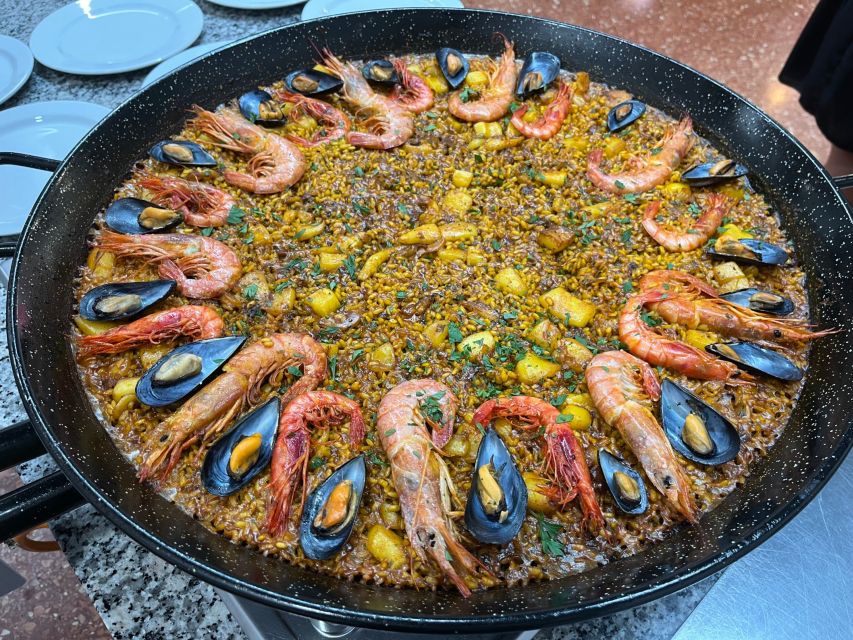
The menu gives you a meaningful choice. Traditional Valencian paella is made with chicken, rabbit, and vegetables. Seafood paella takes a different path and uses salmorreta to build its flavor.
The Valencian version is the better choice if you want to understand the dish in its local form. Chicken and rabbit are classic ingredients in the region, and the recipe reflects the rural origins of the dish. It may surprise diners who know paella mainly as a seafood meal, but that is part of the lesson.
The seafood option is appealing if you prefer shellfish or want a dish closer to the version found on many restaurant menus. The salmorreta gives you an extra technique to remember, since it is not just a matter of tossing seafood and rice into a pan.
You may find that two types are prepared during some sessions, with participants working in separate groups. This makes the cooking more interactive, though it also means you may not personally control every step from start to finish. The experience is designed around shared preparation, with the chef guiding the process and assigning real tasks rather than giving you busywork.
That distinction matters. You are not simply chopping a garnish while someone else cooks the meal. Participants have described being involved in managing the dish itself, which is the part most likely to help when you try paella at home.
The cooking lesson: useful technique, not just entertainment
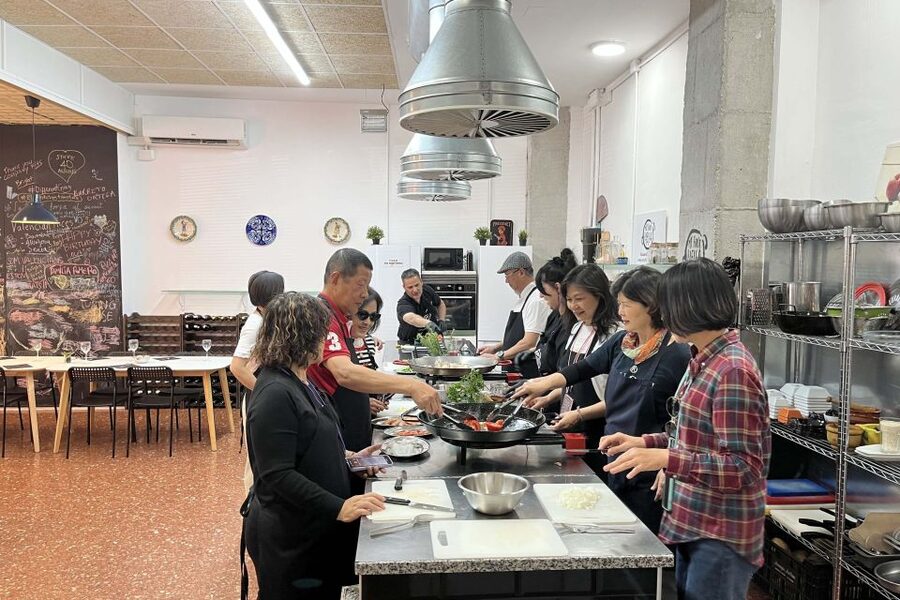
Once the tapas are underway, the chef takes the group through the paella preparation. The instruction covers the order of ingredients, the flavor base, the stock, the rice, and the timing needed to finish the dish correctly.
The best part is the balance between explanation and action. You hear about Valencian customs and family meals, but you also take part in the work. The cooks keep an eye on the pans while allowing you to see how the process changes from one stage to the next.
A paella pan gives the rice a broad cooking surface. That shape matters because the rice should cook in a relatively even layer. The chef explains the visual and practical signs to watch for, helping you understand why the rice must be left alone at key moments instead of stirred like a risotto.
You also learn about the final texture and the importance of timing. The goal is not merely edible rice. A well-made paella should have clear flavor, a satisfying texture, and, when conditions allow, a browned layer at the bottom known as socarrat. The supplied information does not promise a particular socarrat result, so you should treat that as a technique discussed rather than a guaranteed feature.
The class is conducted in English, and the repeated praise for the instructors suggests that explanations are delivered in an approachable way. Still, the atmosphere is active, with drinks, conversation, and several people sharing the work. If you want a precise, quiet lesson with detailed notes and individual correction, this may feel informal. If you learn best by doing, it is a strong match.
Same appetite, a different route:
- Valencia Old Town Tour with Wine & Tapas in 11th Century Historic Monument
★ 5.0 · 3,234 reviews - Valencia: Old Town Tour, Wine & Tapas in an 11th c. Monument
★ 4.9 · 1,797 reviews - Valencia: Tapas and Drinks Evening Tour
★ 4.8 · 489 reviews - Real Paella Cooking Class – Market Visit & Sangría Workshop
★ 5.0 · 291 reviews
Sitting down to eat what you prepared
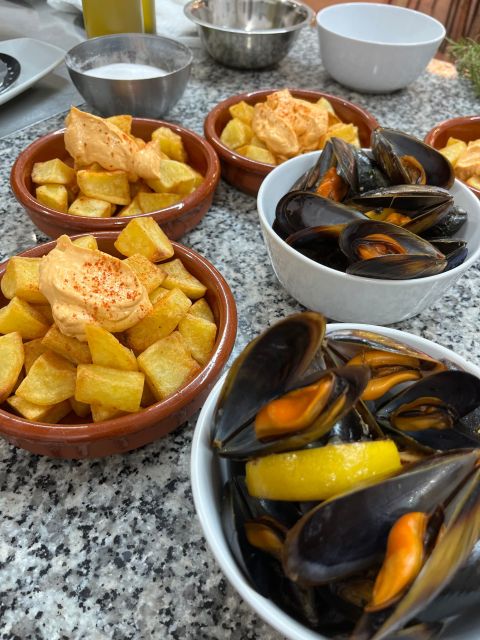
When the paella is ready, the group sits down together and eats the main course. This shared meal is more than a convenient ending. It lets you compare the finished dish with the methods you have just learned.
The setting encourages conversation between people from different countries, families, and age groups. Solo participants can fit in comfortably, while couples, friends, and groups celebrating a special occasion can enjoy the relaxed format. Several sessions have worked well for hen parties and other social groups, but the class is not limited to them.
Expect a generous meal. The opening tapas, the paella itself, drinks, and dessert together make this a full evening rather than a snack-sized activity. At $77 per person, the value depends on how much you want from the night. If you would only like a simple cooking lesson, the price may seem high. If you need dinner anyway and value a guided cultural activity, the food and drink included make the cost reasonable.
You are also paying for instruction and organization. The cooks prepare the ingredients, guide several groups, explain the history and customs, and manage the meal from start to finish. That is more useful than paying separately for a restaurant paella and a short demonstration.
Dessert, coffee, and Valencian after-dinner customs
The final course keeps the regional theme going. You receive seasonal fruit and coca de llanda, a typical Valencian sponge cake. Coffee and a shot of mistela follow.
Coca de llanda is a simple, home-style cake rather than an elaborate pastry. That suits the mood of the evening. After a rich meal and several drinks, a modest sponge cake and fruit feel more comfortable than a heavy dessert.
Mistela is a sweet, aromatic wine with low alcohol content. The class also includes cazalla, an aniseed brandy, which may be offered as part of the local drinking customs. These small touches give the ending a Valencian character and help distinguish the experience from a generic international cooking class.
Food requirements deserve a little care. One participant reported that the tapas and paella were gluten free, with cake as the exception, and another noted that oranges were available instead of the cake. That is useful, but it is not a formal promise that every dietary need can be met. If you have coeliac disease, allergies, or another strict restriction, contact the provider before booking and confirm the current menu and preparation arrangements.
Group size, timing, and the evening’s pace
The activity lasts three hours. That is long enough for a proper meal and a real cooking lesson, but short enough to fit into an evening in Valencia.
The pace can vary with the size of the group. A smaller session allows more direct conversation with the chef. One solo participant described receiving a more personal lesson when only one person attended, while another session involved about 25 people. You should therefore expect anything from a small, intimate class to a lively shared workshop.
A larger group brings energy and makes it easy to meet people, but you may not get equal time at every stage of the preparation. The cooks have been praised for keeping large groups organized while maintaining a playful mood. Even so, this is not a private chef experience.
There is no hotel pickup or drop-off, so you must make your own way to the meeting point. The location is described as easy to find, but the supplied information does not give a street address or transport directions. Check the exact meeting details before you set out.
Cancellation is flexible: you can cancel up to 24 hours in advance for a full refund, and you can reserve now and pay later. Starting times vary, so check availability for your date.
Who will enjoy this paella workshop most
I would recommend this experience to you if you want dinner and a cultural activity in one booking. It works especially well for:
- Couples who like shared meals and practical activities
- Solo visitors who want an easy way to meet people
- Families and friends who enjoy cooking together
- Food lovers who want to understand Valencian paella beyond the restaurant table
- Visitors who prefer an evening activity to another monument or bar
It may be less suitable if you dislike group participation, avoid alcohol, or want a highly technical private lesson. The class is social and generous, but it is not designed around silence, precision, or individual coaching.
You should also arrive ready to eat. With tapas before the cooking, paella at the end, dessert, and drinks along the way, this is not a good choice if you already have a large dinner reservation immediately afterward.
Is the $77 price fair?
For Valencia, the price is fair if you use the full package. You receive a three-hour cooking activity, the ingredients, a substantial tapas spread, paella, dessert, coffee, and several types of drinks.
The strongest value comes from combining dinner with instruction. A restaurant meal alone would not show you how Valencian paella is made, while a cooking lesson without food and drinks would leave you arranging dinner afterward. Here, the entire evening is handled in one place.
The value is also tied to the quality of the host. The most praised feature is not a particular room or piece of equipment. It is the cooks’ energy, humor, patience, and ability to keep people involved. That human element turns a recipe into a memorable evening.
Should you book it?
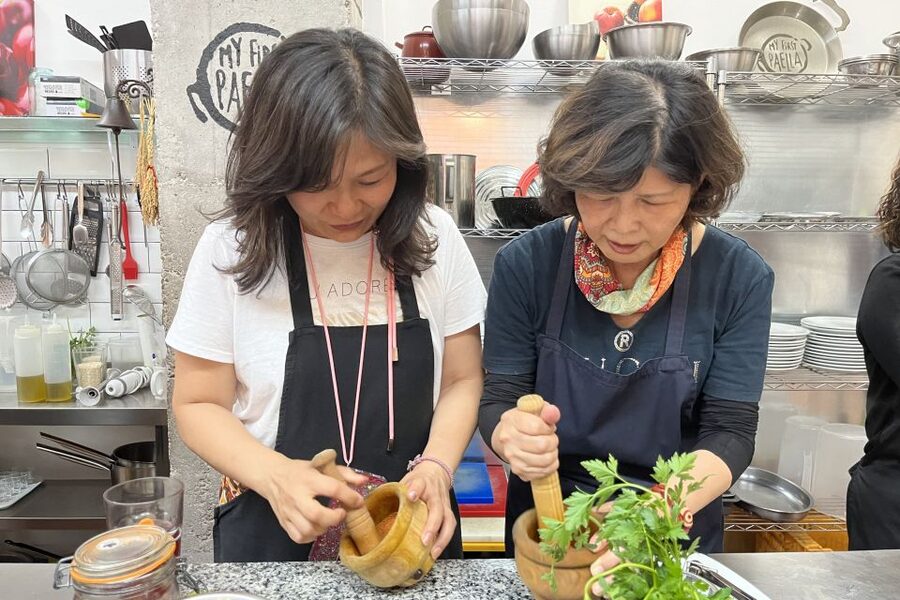
Book this workshop if you want to cook, eat well, learn local customs, and talk with other people during a relaxed Valencia night. Choose the Valencian paella if regional tradition matters most, or the seafood version if you prefer shellfish and want to learn about salmorreta.
I would skip it only if you want a quiet meal, a private class, or a strictly controlled drinking environment. For most food-focused visitors, the combination of practical instruction, local dishes, generous refreshments, and a shared table makes this one of the better ways to spend three hours in Valencia.
FAQ
How long does the paella workshop last?
The experience lasts three hours, including tapas, the sangria activity, paella preparation, the shared meal, dessert, coffee, and a shot of mistela.
What types of paella can I make?
You can choose between a traditional Valencian paella with chicken, rabbit, and vegetables, and a seafood paella prepared with salmorreta.
Is the class taught in English?
Yes. The live guide and cooking instruction are provided in English.
What food is included before the paella?
The tapas selection can include Manchego cheese, ham, olives, Valencian salad with tomato, steamed mussels, Spanish omelet, and patatas bravas.
Which drinks are included?
The package includes sangria, beer, soft drinks, water, Valencian DO wine, coffee, mistela, and cazalla.
Is hotel transportation provided?
No. Hotel pickup and drop-off are not included, so you must reach the activity location yourself.
Can I cancel my booking?
Yes. You can cancel up to 24 hours in advance for a full refund. Reserve now and pay later is also available.
More Evening Tapas Tours in Valencia
- Tapas Dinner and Flamenco Show in Valencia
★ 3.0 · 9 reviews - Flamenco Show at Tablao El Arenal with Drink and Optional Dinner or Tapas
★ 4.5 · 1,415 reviews - Madrid Small Group Tapas Tour at 4 Venues -Lunch or Dinner
★ 5.0 · 553 reviews - Madrid Local’s Tapas Tour Dinner with a side of History
★ 5.0 · 530 reviews
Just added to the tapas trail around Valencia
- Valencia: Paella Cooking Class with Tapas and Drinks★ 5.0 · 25 reviews
- Valencia: City Tour with Tapas Shore Excursion★ 5.0 · 9 reviews
- Valencia: Mysteries, Legends, & Local Tapas Experience★ 4.9 · 14 reviews
- Valencia: Tapas and Sightseeing guided tour★ 4.9 · 9 reviews
- Valencia: Street Food Tour including Paella & Tapas Tasting★ 5.0 · 2 reviews
- Valencia Old Town flavour walk: tapas & drinks by local★ 5.0 · 11 reviews
- Valencia: Guided City Walking Tour with Tapas Tastings★ 3.8 · 3 reviews
- Valencia: Guided Private Bike Tour with Tapas and Drinks★ 4.6 · 2 reviews
Paella Cooking Classes, plate against plate.
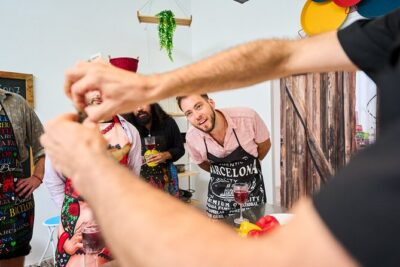
Barcelona Paella Cooking Class with Market Visit, Tapas & Sangria
Read our review →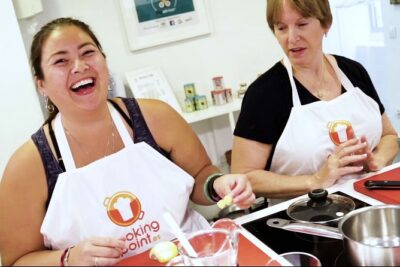
Spanish Cooking Class Paella Tapas and Sangria in Madrid
Read our review →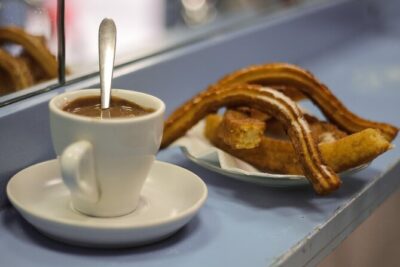
Barcelona Food Tour: Tapas, Paella, Sangria & 8+ Local Tastings
Read our review →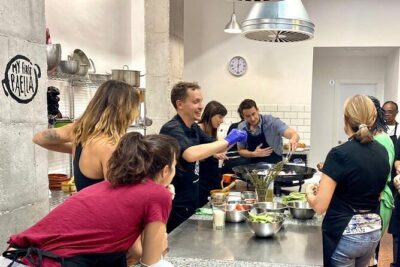
Valencian paella cooking class, tapas and visit to Ruzafa market.
Read our review →
Madrid Tapas & Paella Cooking Experience with Local Market Visit
Read our review →
Alicante Paella Cooking Class, Tapas, Drinks and Marketplace
Read our review →
Premium Paella Cooking Class & 10 Spanish Tapas
Read our review →