Review · MADRID
Madrid: Paella & Tapas Cooking Class and Market Visit
Madrid’s best food lessons often begin before the cooking starts. This one takes you through a traditional market, then into a private kitchen in the Huertas neighborhood to prepare paella Valenciana, croquetas, patatas bravas, and dessert with a local chef.
I like the market visit because it gives you a useful introduction to Spanish ingredients rather than dropping you straight at a stove. I also like the small-group format, capped at 12 people, and the easygoing mix of vermouth, cooking, lunch, and practical recipes you can use at home.
The main drawback is that this is a hands-on kitchen activity, not a sit-back food tour. You need comfortable shoes, must manage hot stoves and sharp knives, and the class is not suitable for children under 12, wheelchair users, or people with several common dietary restrictions.
Key points to know before booking
- The market comes first: Shop for fresh ingredients and learn how Spanish households use them.
- Paella is the main lesson: Your guide explains what makes paella Valenciana different from ordinary rice dishes.
- You cook several dishes: The menu includes three tapas, paella, and a dessert, with exact dishes sometimes varying.
- Vermouth is part of the welcome: You taste the traditional aperitif and learn how locals drink it.
- The group stays small: Classes hold 12 people or fewer, with private options available.
- The meal is included: You eat what you prepare, with seasonal fruit and a choice of beer or wine.
A market lesson before the cooking begins
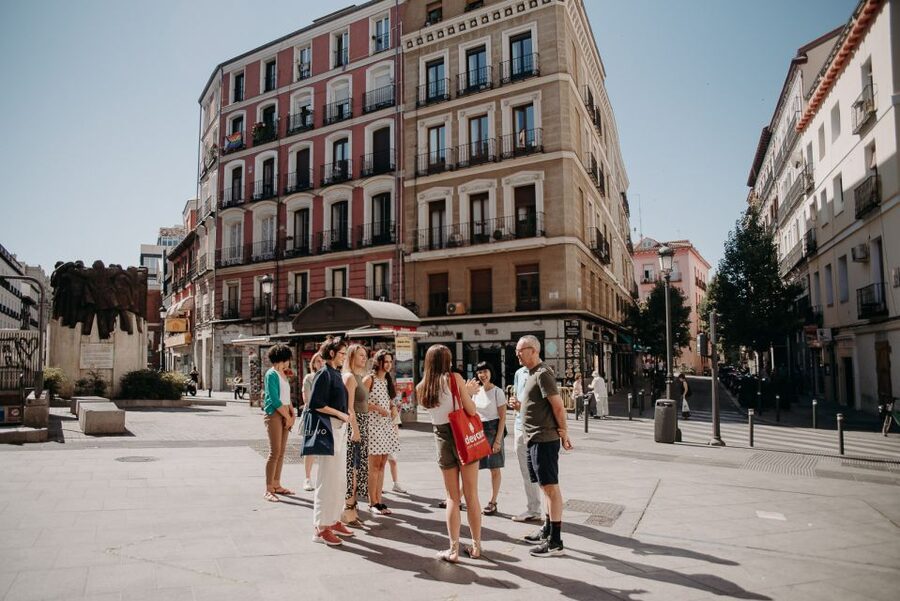
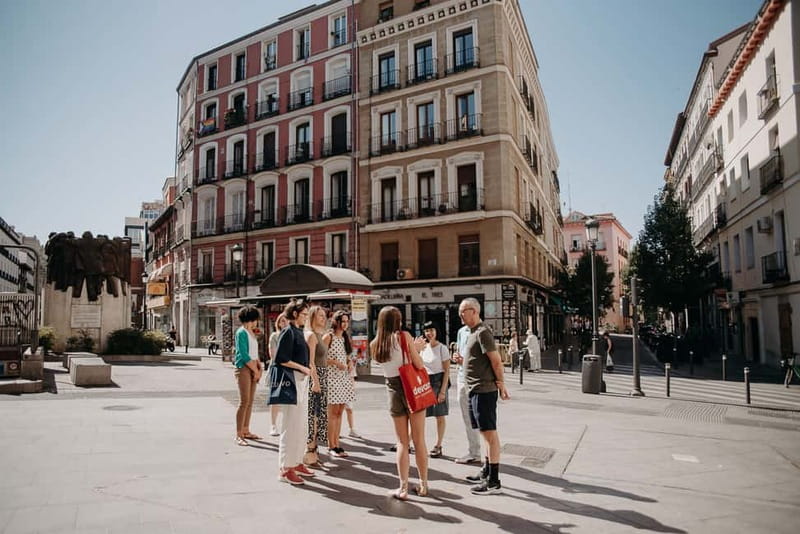
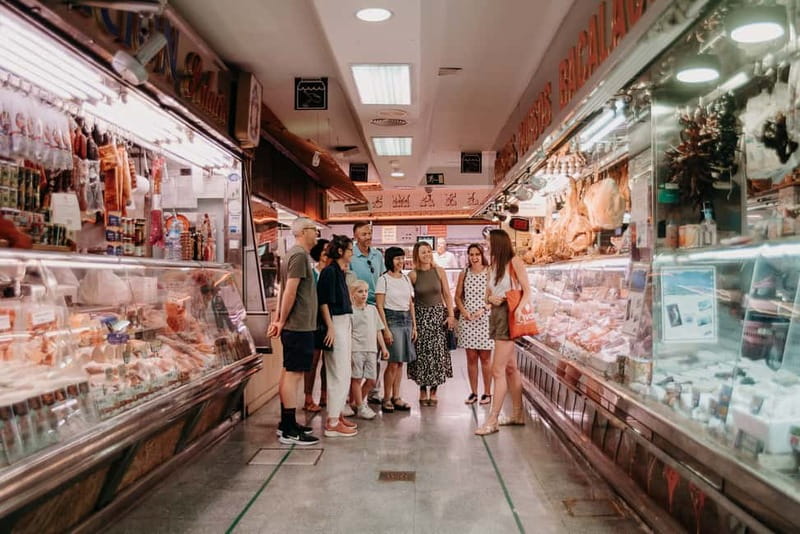
The experience starts near one of Madrid’s historic markets, a place where local residents have shopped for more than a century. The market visit gives the class some needed context. Instead of treating Spanish food as a list of famous dishes, your guide introduces the products behind it.
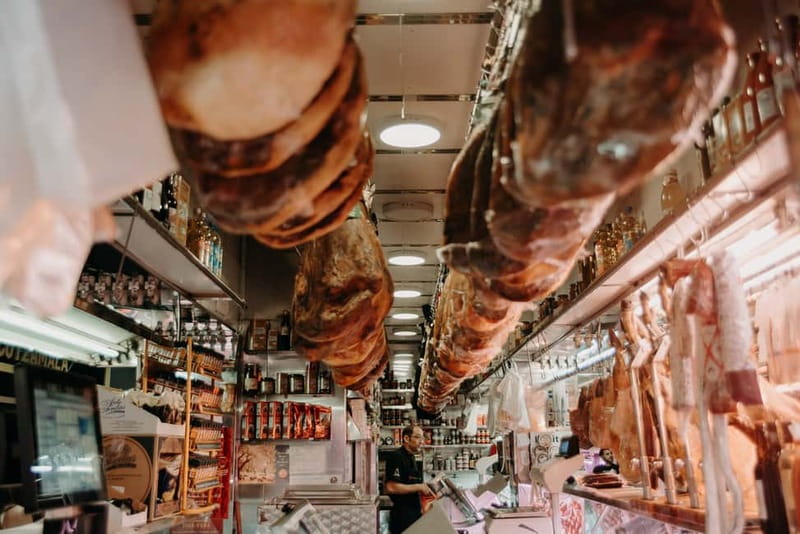
You can expect to see stalls selling the kinds of high-quality ingredients that shape everyday Spanish cooking. Your guide helps you understand what to look for, how products are used, and why fresh market shopping still matters in Madrid. You also pick up ingredients for the class and have a chance to speak with vendors.
I like this opening because it makes the later cooking feel less mechanical. When you prepare a dish, you already know something about the ingredients and the setting they came from. The visit is also useful if you want to return to the market on your own later in your trip.
The market portion is guided, not a long free period for shopping. If you are hoping to buy souvenirs or spend an hour browsing at your own pace, this may feel brief. Its real purpose is to prepare you for the kitchen and introduce the food culture of Madrid.
More Paella Cooking Classes in Madrid
- Spanish Cooking Class Paella Tapas and Sangria in Madrid
★ 5.0 · 1,340 reviews - Madrid Tapas & Paella Cooking Experience with Local Market Visit
★ 5.0 · 432 reviews - Madrid: Paella & Sangria Classes- Seafood, Chicken & Vegan option
★ 5.0 · 265 reviews
Vermouth and a Basque tapa in the private kitchen
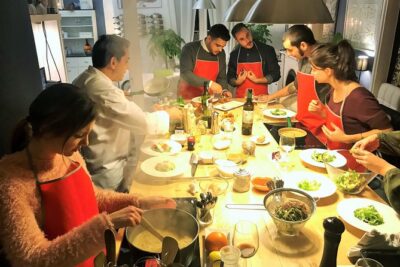
After the market, you head to an upscale cooking space connected with a restaurant in Madrid’s Huertas neighborhood. The kitchen is reserved for the class, giving the group a more comfortable place to work than a crowded public restaurant kitchen.
The first kitchen activity is a traditional aperitif. You taste sweet Spanish vermouth and learn how people in Madrid drink it. That small detail adds a local touch, since vermouth is not simply a cocktail ingredient here. It is part of the social rhythm of eating and meeting friends.
You also assemble a cheese plate and prepare a traditional tapa from the Basque region. This gives you a gentle start before the hotter, more involved dishes begin. You can talk with the chef, get familiar with the work surfaces, and begin sharing tasks with the rest of the group.
Several guides lead this class, including Daniel, Danny, Dan, Arantxa, and Benny. The names vary by date, but the format stays focused on personal instruction and conversation. The strongest part of the class is likely to be the guide’s ability to explain not just what to do, but why the dish is prepared that way.
Cooking croquetas, patatas bravas, and two sauces
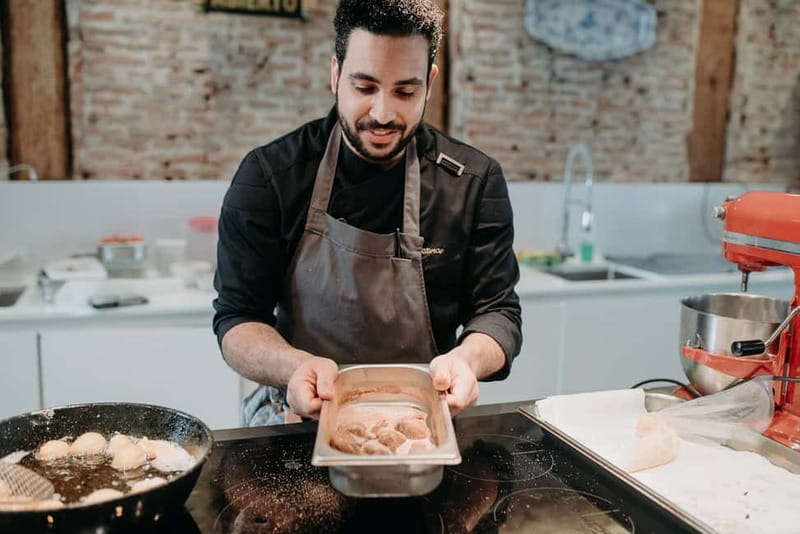
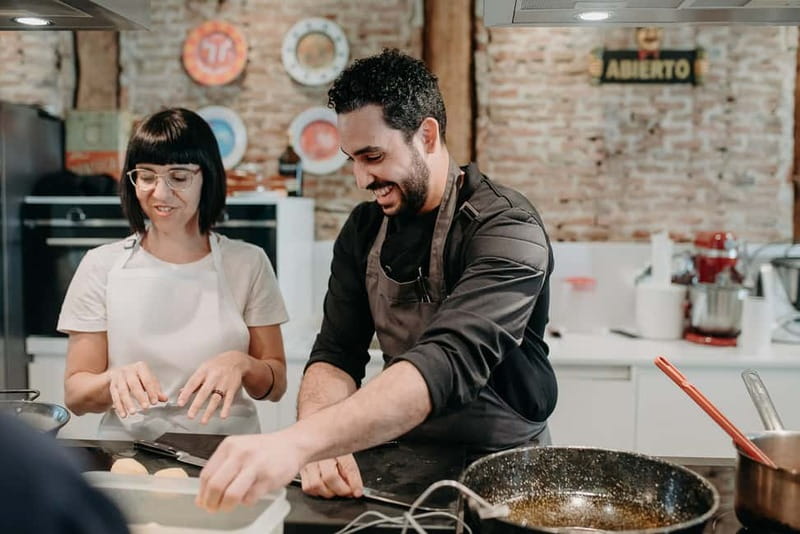
The next stage puts you to work on two familiar Spanish dishes: homemade croquetas and patatas bravas. These are good choices for a class because both look simple on a menu but require technique in the kitchen.
Croquetas depend on a smooth filling and a coating that fries properly. You learn by handling the mixture rather than only watching somebody else prepare it. Patatas bravas require more than fried potatoes, too. The class includes two homemade sauces, so you get a better sense of how the dish gains its flavor and character.
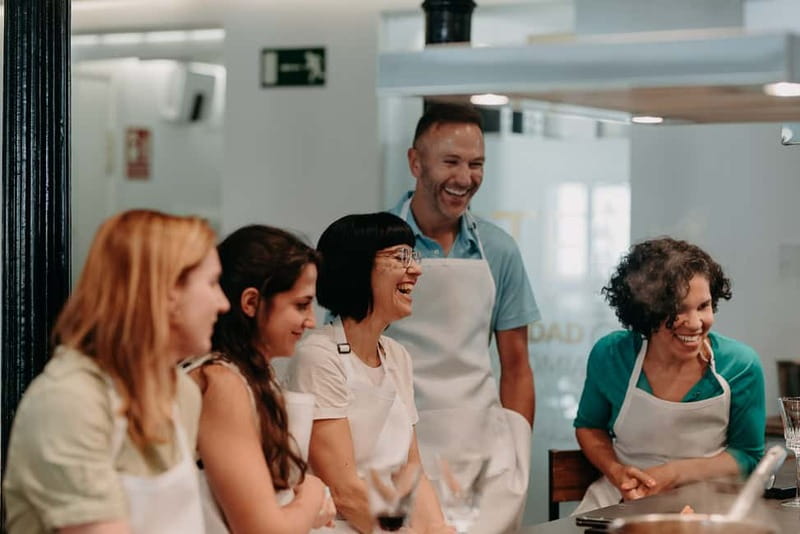
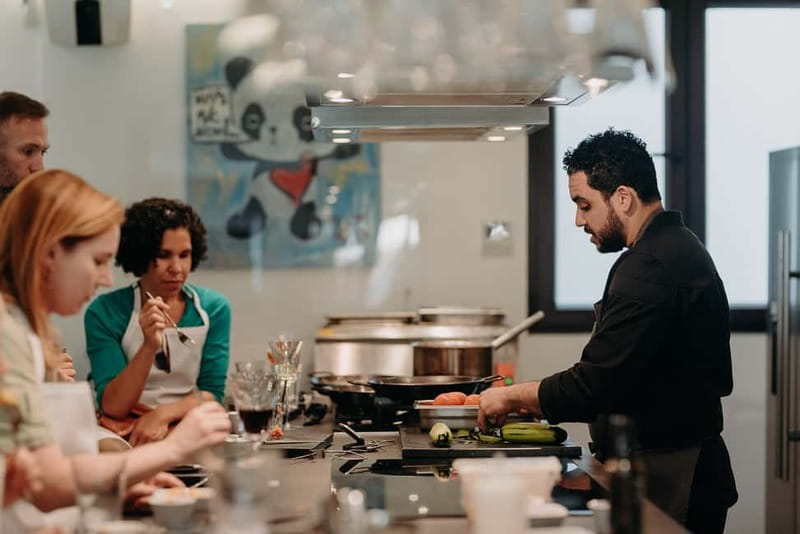
This is where the small group matters. With 12 people or fewer, you should have a real task rather than standing at the back of a demonstration. You work elbow to elbow with the chef and the other participants, though the amount of individual stove time can depend on the group and the kitchen setup.
The class is designed for participation, so wear shoes you can comfortably stand and move around in. The experience is not suitable for anyone who cannot safely manage a kitchen with sharp knives, hot stoves, and high surfaces.
The paella lesson and what makes it Valencian
Paella is the centerpiece. The class teaches an authentic paella from Valencia and explains the history behind the dish, along with ways to identify a true paella Valenciana.
That cultural explanation is important. Many dishes served outside Spain use the name paella loosely, while the Valencian tradition has its own ingredients, methods, and identity. You get more than a recipe. You learn how the dish fits into Spanish food culture and what details distinguish it from a generic rice dish.
The cooking itself uses your senses. You smell the ingredients, taste as you go, and learn how the rice and other components come together. The guide helps you through the process, so you do not need advanced cooking skills to take part.
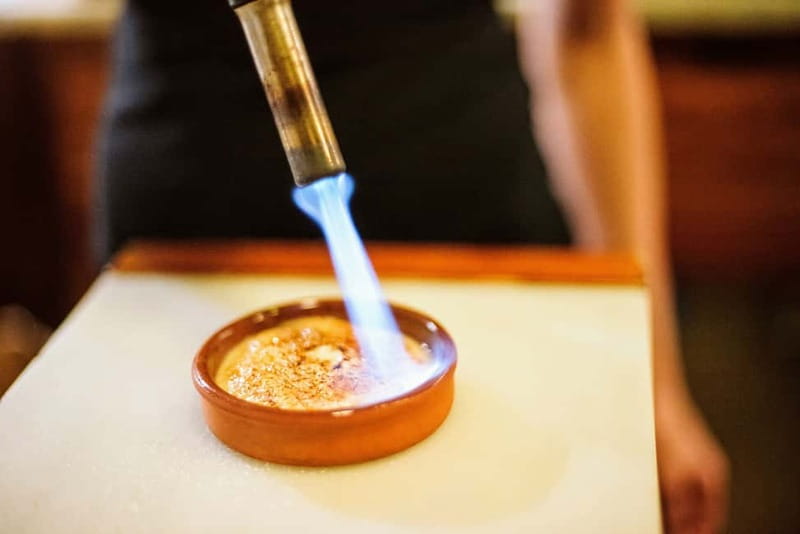
The exact menu can vary. Along with paella, class participants have prepared dishes such as gazpacho, sangria, and crema catalana on some occasions. The standard description centers on paella, three tapas, and dessert, so you should treat the listed dishes as the guide rather than expect every session to follow an identical menu.
I especially like that the paella lesson is paired with several smaller dishes. A class devoted only to paella might teach one technique well, but this format gives you a wider look at Spanish cooking. You leave with several recipes and a better feel for the balance between simple ingredients and careful preparation.
More Spanish Cooking Classes in Madrid
- Taste of Spain: Tapas Cooking Class with Bottomless Wine Pairing
★ 5.0 · 414 reviews - Madrid: 10 Tapas 2.5-Hour Cooking Class
★ 4.7 · 222 reviews - Tapas & Paella Cooking Class in Madrid with a Professional Chef
★ 5.0 · 177 reviews - 10 Tapas Cooking Class Experience in Madrid with Sangria
★ 5.0 · 137 reviews
Sitting down to eat what you made
Once the cooking is finished, you sit down for lunch. The meal includes the dishes prepared during the class, seasonal fruit from the market for dessert, and a choice of beer or wine. The traditional aperitif of vermouth is included earlier in the session.
This shared meal is more than a reward for getting through the recipes. It gives you time to compare the dishes, ask final questions, and enjoy the food while it is fresh. The group format also works well here. Cooking side by side tends to make conversation easier, even if everyone arrives as strangers.
Several participants have found the portions generous enough to leave them full. One session included plenty of food and drinks, while another ended with recipes and skills to share with family at home. The menu is not presented as a tiny tasting experience. Plan on this being a proper midday meal.
The included drinks add value, but you should keep them in mind when deciding how much to drink. Vermouth, wine, and beer are part of the experience, and nonalcoholic options can be arranged. Pregnant participants can also request an adapted version.
What the $112 price really covers
At $112 per person, this is not the cheapest way to eat in Madrid. It is also more than a simple cooking demonstration. The price covers a guided market visit, fresh ingredients, a 3.5-hour English-language class, the meal you prepare, drinks, and instruction from a local chef.
You are paying for several experiences joined together:
- A short introduction to a traditional Madrid market
- Fresh ingredients selected for the class
- Hands-on instruction in a private cooking space
- Multiple tapas and a main course
- Vermouth, beer or wine, and dessert
- A small group of 12 people or fewer
- Recipes and techniques you can repeat at home
The value is strongest if you want participation and cultural explanation. If your main goal is simply to eat paella, you can find a restaurant meal for less. If you want to understand the dish, make it yourself, and learn several other recipes in the same morning or afternoon, the price is easier to justify.
A private option is available. That can make sense for families with older children, couples, or groups of friends who want the kitchen and guide to themselves. The standard small-group format should suit most people who enjoy meeting others and do not need a fully private setting.
Dietary needs and practical limits
The class can adapt for vegetarians, pescatarians, gluten-free diets when the issue is not celiac disease, nonalcoholic requests, and pregnancy. You need to contact the activity provider in advance so the ingredients can be arranged.
The restrictions are important. The class is not suitable for vegans, people with gluten intolerance, or people with lactose intolerance. The information also specifically rules out celiac disease, so do not assume that a general gluten-free request will be safe for you.
The experience is not suitable for wheelchair users, people with mobility impairments, or strollers. Children under 12 cannot join because of the knives, hot stoves, and high work surfaces.
The meeting point can vary with the option you book, so check your confirmation carefully. Hotel pickup and drop-off are not included. You make your own way to the meeting point, which is near the market used at the start of the experience.
The class is conducted in English. That makes it a good choice if you want detailed explanations of food traditions and cooking methods without a language barrier.
The guides make a real difference
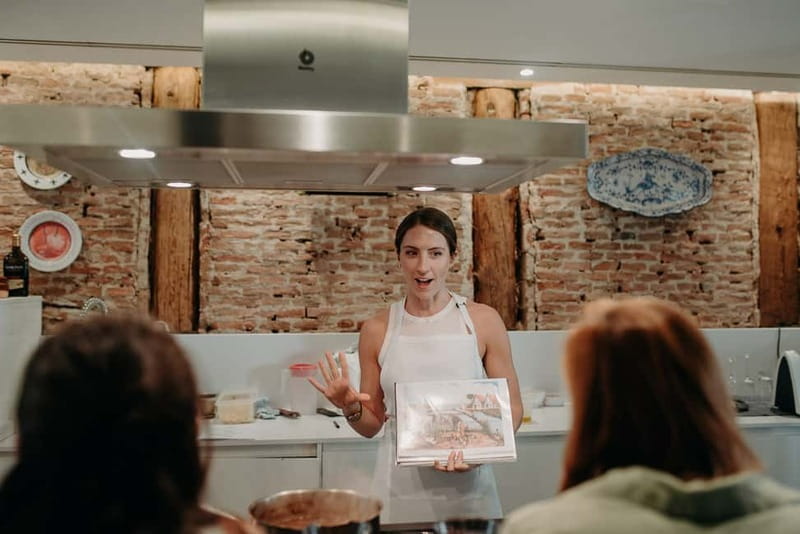
The chef is central to the experience. The class has been led by Daniel, Danny, Dan, Arantxa, and Benny, among others, and the strongest sessions depend on a guide who can balance cooking instruction with cultural stories.
Arantxa is known for bringing warmth and a strong understanding of Spanish ingredients and traditions to the market and kitchen portions. Daniel has been praised for combining cooking instruction with cultural information. Danny has been described as an engaging host who shares his passion for Spanish traditions. Benny has been especially attentive to participants’ needs during the cooking and meal.
Those details matter because a class can feel very different depending on how the chef handles the group. You want someone who keeps the food moving, answers questions, and gives everyone a chance to participate. The class format is built for that kind of personal connection, but the precise style will depend on the guide assigned to your date.
The cooking space also helps. Working behind the scenes at a restaurant gives you a closer look at how a professional kitchen operates, while the private setup keeps the session focused on your group.
Who will enjoy this class most?
I would choose this experience if you want more than a restaurant meal and like learning by doing. It suits couples, solo visitors, friends, and families with children aged 12 or older who are comfortable in a kitchen.
It is particularly good for:
- First-time visitors who want a useful introduction to Spanish food
- Home cooks who want reliable paella and tapas techniques
- People who enjoy market visits and local food shopping
- Visitors who want a social activity with a full meal included
- Anyone interested in Spanish vermouth and regional cooking traditions
It may not suit you if you want a quiet, formal meal or dislike group activities. It is also a poor fit if you have vegan, lactose-free, celiac, or serious mobility needs. The class asks you to stand, handle ingredients, share kitchen space, and take part rather than simply watch.
A good activity for a food-focused day in Madrid
The 3.5-hour length gives the experience enough time to feel substantial without taking your whole day. You start with the market, move to the kitchen, cook several dishes, and sit down for lunch. That makes it easy to pair with sightseeing before or after, though you should avoid scheduling another food-heavy activity immediately afterward.
The class also gives you something that a normal meal cannot: a way to recognize ingredients and cooking methods later in your trip. After learning about patatas bravas, croquetas, and Valencian paella, menus across Madrid become easier to understand. You may also feel more confident ordering vermouth or spotting the difference between a traditional dish and a tourist version.
Bring comfortable shoes and arrive ready to participate. Check the meeting point, tell the provider about dietary needs ahead of time, and do not rely on making changes at the last minute.
Should you book this Madrid cooking class?
Book it if you want a hands-on introduction to Spanish food with a market visit, a proper lunch, and several recipes in one sitting. The combination of paella, tapas, vermouth, and local guidance makes the $112 price reasonable for someone who values instruction and an included meal.
Skip it if you only want to taste food, need a fully accessible activity, or cannot eat the class ingredients. For everyone else, this is a practical and sociable way to spend half a day in Madrid, especially if you want to take home more than a few food photos.
FAQ
How long does the Madrid paella and tapas class last?
The experience lasts 3.5 hours, including the market visit, cooking instruction, and lunch.
What food will I prepare?
The class includes authentic paella, three tapas, and dessert. The listed dishes include a cheese plate, a traditional Basque tapa, homemade croquetas, and patatas bravas with two sauces. Menus may vary, and some sessions have included dishes such as gazpacho, sangria, or crema catalana.
Are drinks included?
Yes. The class includes a traditional vermouth aperitif, drinks with lunch, and a choice of beer or wine. Nonalcoholic options can be arranged.
Is the class suitable for vegetarians or people with dietary restrictions?
The class can adapt for vegetarians, pescatarians, gluten-free diets that are not related to celiac disease, nonalcoholic requests, and pregnancy. Contact the provider in advance so ingredients can be arranged. The class is not suitable for vegans, people with gluten intolerance, or people with lactose intolerance.
Can children join the experience?
Children under 12 cannot participate because the class involves sharp knives, hot stoves, and high surfaces.
Is the class private?
You can book a small-group class for 12 people or fewer, or select a private option. The meeting point varies depending on the option booked, and hotel pickup and drop-off are not included.
More Market and Tapas Tours in Madrid
- Madrid: Ultimate Food Tour of Local Markets & Tapas
★ 4.8 · 151 reviews - Try Madrid Best Churros, Tapas & Market by FLT
★ 5.0 · 37 reviews - Madrid Gourmet Tour: Local Markets, Tapas & Wine
★ 5.0 · 2 reviews - Barcelona Paella Cooking Class with Market Visit, Tapas & Sangria
★ 5.0 · 2,531 reviews
Just added to the tapas trail around Madrid
- Madrid Food Tour – Tapas Walking Tour★ 5.0 · 3 reviews
- Madrid: Private Tapas & Wine Food Walking Tour in La Latina★ 5.0 · 4 reviews
- Culinary tour “Tapas & Wines” in Madrid★ 5.0 · 3 reviews
- Private Wine & Gourmet Tapas Tour in Madrid with Sommelier★ 5.0 · 49 reviews
- Try Madrid Best Churros, Tapas & Market by FLT★ 5.0 · 37 reviews
- Tasting Madrid: Tapas Private Guided Tour (Customizable)★ 5.0 · 7 reviews
- Flamenco show & tasting Tapas with panoramic views in Madrid★ 4.5 · 6 reviews
- Guided Tapas and Flamenco in Madrid★ 4.5 · 21 reviews
Paella Cooking Classes, plate against plate.
Barcelona Paella Cooking Class with Market Visit, Tapas & Sangria
Read our review →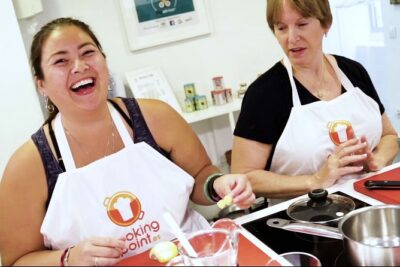
Spanish Cooking Class Paella Tapas and Sangria in Madrid
Read our review →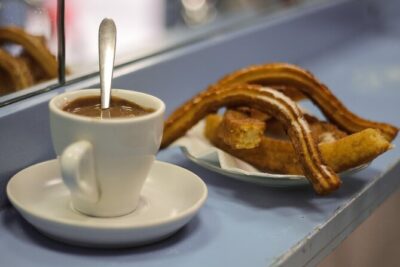
Barcelona Food Tour: Tapas, Paella, Sangria & 8+ Local Tastings
Read our review →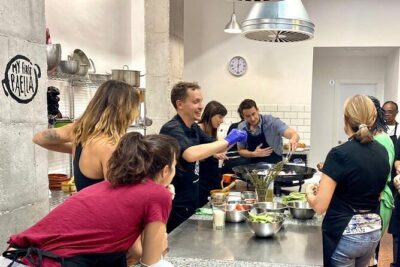
Valencian paella cooking class, tapas and visit to Ruzafa market.
Read our review →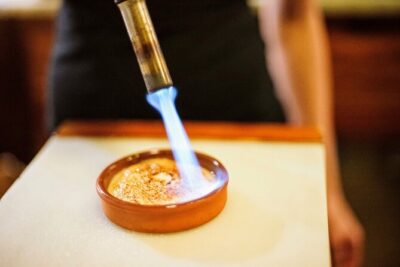
Madrid Tapas & Paella Cooking Experience with Local Market Visit
Read our review →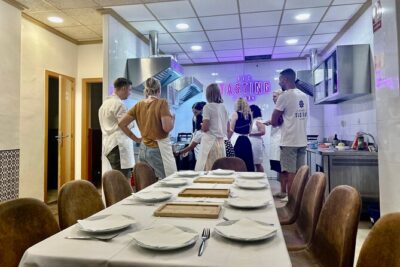
Alicante Paella Cooking Class, Tapas, Drinks and Marketplace
Read our review →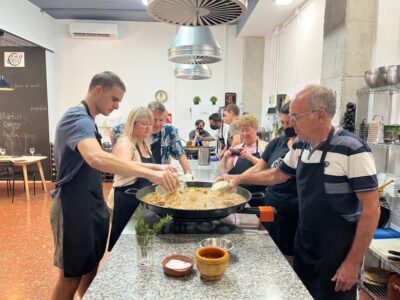
Valencia: Evening Guided Paella Workshop, Tapas, and Drinks
Read our review →